
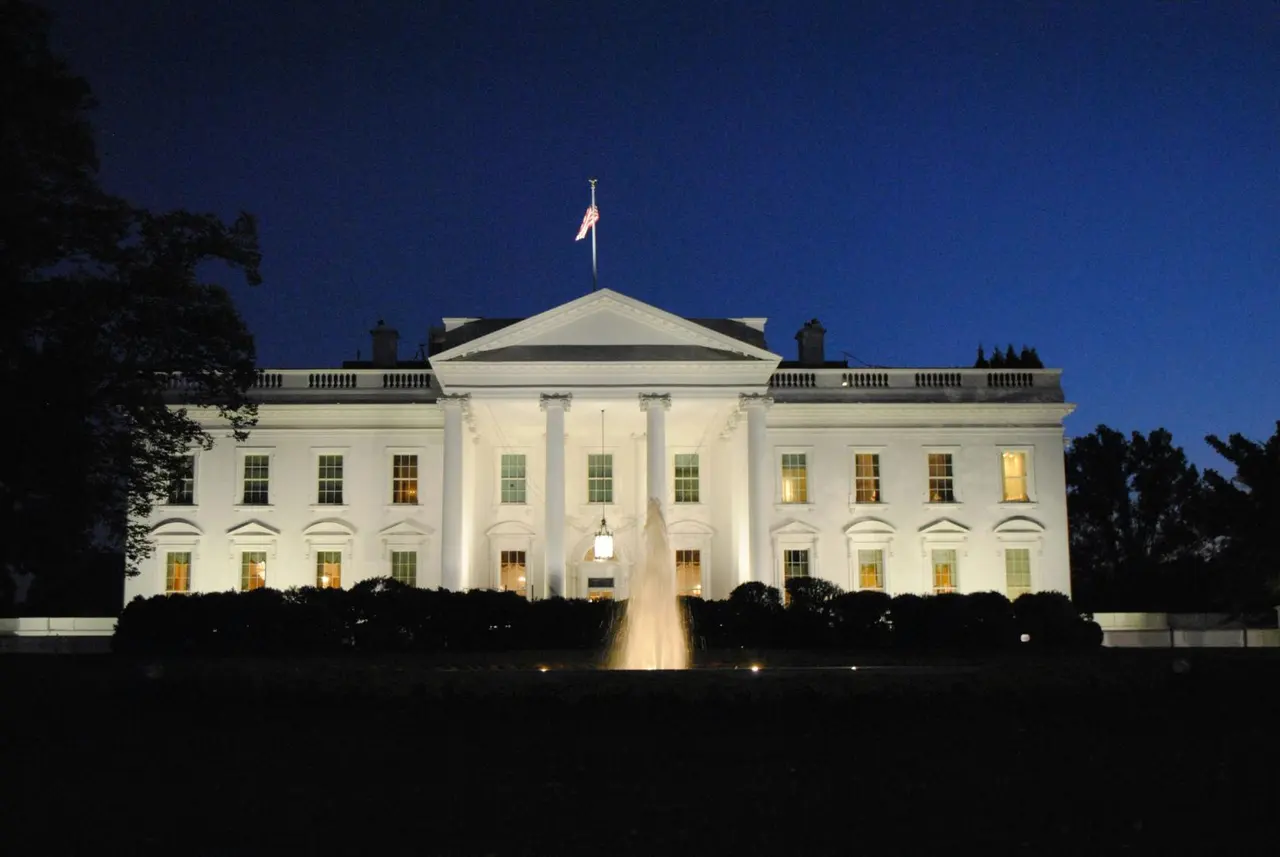
Six of the world's largest artificial intelligence companies have agreed to submit their systems to independent outside audits under a voluntary framework brokered by the White House, marking a fresh attempt to place guardrails around the fast-moving technology without imposing binding law.
What the Companies Agreed To
OpenAI, Google and Meta are among the six signatories that have pledged to open their AI models to external review focused on the most serious risks, including potential cybersecurity threats and the misuse of AI to develop biological weapons. The pact represents an effort to build public confidence in systems that increasingly influence daily life, business and national security.
The agreement centers on third-party audits rather than internal self-assessment, a distinction that safety advocates have long argued is essential. By inviting outside experts to probe their models, the companies are signaling a willingness to be evaluated by parties beyond their own engineering teams.
A promise without a deadline or a penalty is only as strong as the willingness to keep it.
The Limits of a Voluntary Deal
Critics are likely to point out that the pact carries no enforcement mechanism. There are no financial penalties for companies that fail to follow through, and no firm deadline for when the audits must actually take place. That leaves compliance dependent on the goodwill of the participating firms.
The voluntary nature of the arrangement reflects the broader regulatory landscape in the United States, where lawmakers have yet to pass comprehensive AI legislation. In the absence of formal rules, the White House has repeatedly turned to pledges and frameworks negotiated directly with industry leaders.
Key features of the deal include:
- Independent, third-party audits rather than internal reviews
- A focus on hacking risks and biological threats
- No monetary penalties for noncompliance
- No fixed timeline for implementing the checks
Why It Matters for the Broader Tech Sector
For the crypto and wider technology community, the agreement underscores how governments are grappling with emerging technologies through soft commitments while heavier regulation remains under debate. The approach mirrors patterns seen elsewhere, where voluntary industry standards precede any statutory requirements.
Whether the pledge produces meaningful accountability will depend on how transparently the audits are conducted and reported. For now, the deal offers a symbolic step toward oversight, even as questions linger about how much weight a promise without teeth can ultimately carry.