
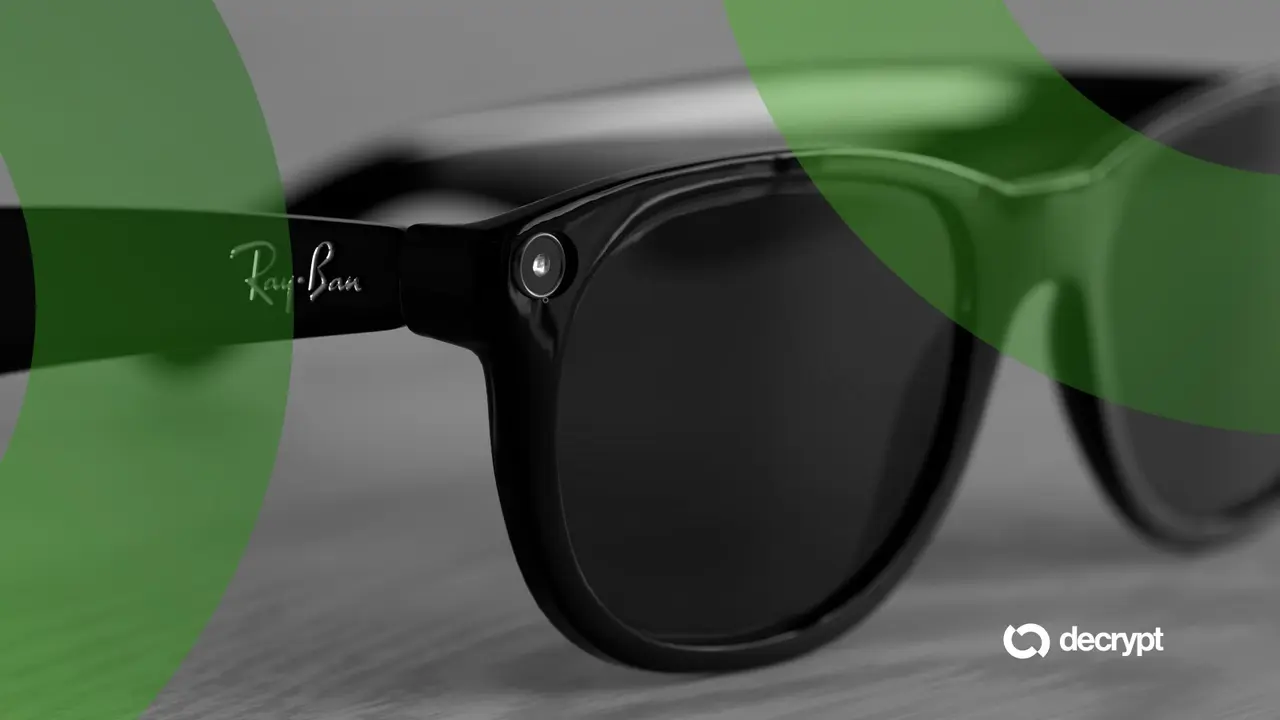
Norwegian authorities are moving to rein in smart glasses equipped with facial recognition technology, with the country's data protection agency proposing new rules and its consumer watchdog urging retailers to halt sales of the devices until the legal picture becomes clearer.
Privacy Concerns Drive Regulatory Push
The push comes amid growing unease over wearable devices that can discreetly record video, snap photographs, and potentially identify strangers in public without their knowledge or consent. Critics have dubbed certain models "pervert glasses," reflecting fears that the technology enables covert surveillance of unsuspecting bystanders.
Norway's data protection authority has signaled it wants clearer regulation governing how these devices operate, particularly when they incorporate facial recognition capabilities that could be used to catalog and identify individuals in real time.
Regulators worry the technology could turn everyday encounters into moments of silent, undetectable surveillance.
Watchdog Urges Sales Halt
Going a step further than the data agency, Norway's consumer watchdog has called on retailers to stop selling the devices altogether until lawmakers establish clear rules of the road. The recommendation reflects a precautionary stance, prioritizing consumer and public protection while the regulatory framework catches up with fast-moving hardware.
The concerns center on several core issues that have accompanied the rise of camera-equipped wearables:
- The ability to record others without their awareness
- Facial recognition that could identify strangers in public
- A lack of clear legal boundaries governing their use
A Broader Reckoning
Norway's actions add to a wider international debate over how societies should handle increasingly capable wearable technology. As smart glasses become more sophisticated and harder to distinguish from ordinary eyewear, regulators face mounting pressure to balance innovation against fundamental privacy rights.
Whether Norway ultimately moves to ban facial recognition in these devices outright remains uncertain, but the combined stance of its privacy and consumer authorities suggests the country is prepared to act ahead of many of its peers.