
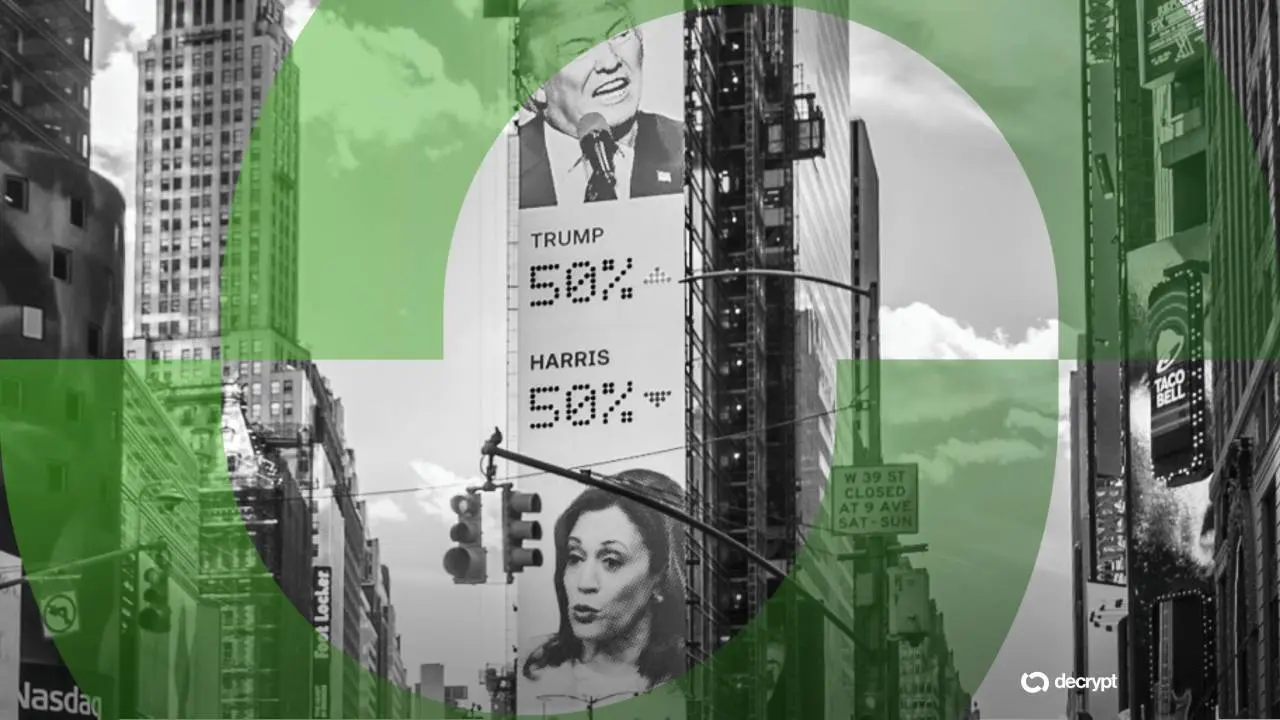
New York Attorney General Letitia James is seeking as much as $36 billion in penalties from prediction market platform Kalshi, alleging the company has been operating illegal gambling operations within the state, setting up a high-stakes clash with federal regulators over who governs the fast-growing sector.
The State's Case Against Kalshi
The New York AG's office contends that Kalshi's event contracts amount to unlawful betting under state law, and the eye-popping penalty figure reflects the scale of activity the office says has taken place. The action targets a platform that lets users trade on the outcomes of real-world events, from elections to sports to economic data.
Kalshi has grown rapidly by positioning its offerings as regulated financial products rather than wagers, but state authorities argue that framing does not shield the company from gambling statutes designed to protect consumers.
The battle pits a state's gambling laws against a federally regulated marketplace, with billions of dollars hanging in the balance.
A Federal-State Jurisdictional Showdown
Adding a layer of complexity, the Commodity Futures Trading Commission asked a court to block New York from enforcing its rules against the prediction market just one day before the state filed its claim. That move underscores a brewing dispute over whether Kalshi answers primarily to federal commodities regulators or must also comply with individual state laws.
Kalshi operates as a CFTC-designated contract market, and the company has leaned on that federal oversight to argue that state-level gambling enforcement should not apply to its business. New York's action directly challenges that position.
The outcome could carry broad implications for the prediction market industry, which has drawn increasing scrutiny as platforms expand into contested areas like sports outcomes and political events. Key issues at play include:
- Whether federal commodities regulation preempts state gambling laws
- How event contracts should be legally classified
- The reach of state consumer-protection authority over online trading platforms
With federal and state authorities pulling in opposite directions, the case is poised to become a defining test for how prediction markets are regulated across the United States.