
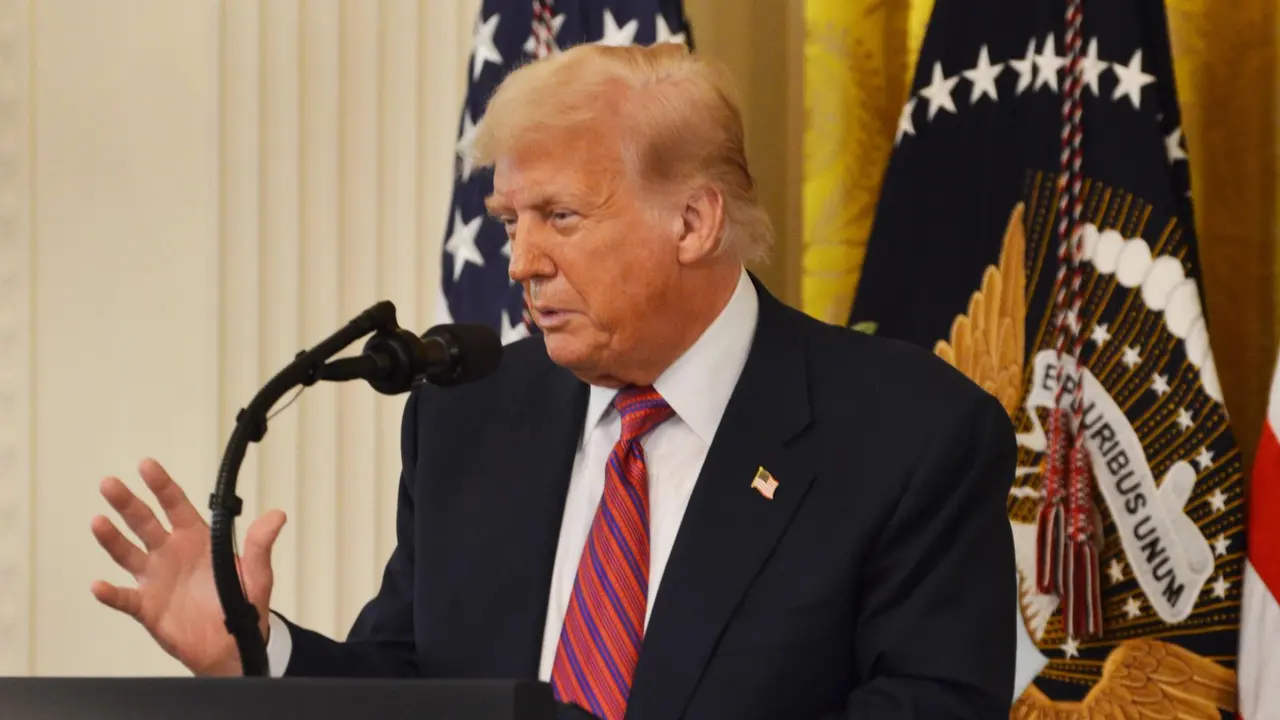
A newly circulated draft of the Clarity Act has emerged in the Senate, offering the latest blueprint for U.S. crypto market-structure legislation while introducing provisions that would place ethics restrictions on public officials — including President Donald Trump and his family's expanding crypto interests.
What the New Draft Proposes
The revised text represents the version lawmakers intend to advance toward a Senate vote, according to people familiar with the negotiations. The bill aims to establish clearer rules governing how digital assets are regulated in the United States, dividing oversight responsibilities and providing the kind of legal certainty that industry participants have long demanded.
Among the most closely watched additions are new government-ethics measures designed to limit the ability of senior officials to profit from crypto ventures while in office. Those provisions have become a flashpoint given the growing portfolio of digital-asset businesses tied to the president and his relatives.
The debate isn't just about market rules anymore — it's about whether the nation's most powerful officials can cash in on crypto.
The Ethics Fight
A sticking point in the current negotiations is how permanent those ethics rules should be. The latest draft reportedly makes the government-ethics restriction temporary rather than a lasting fixture of the law, a change that could soften its impact and has drawn scrutiny from lawmakers pushing for stronger safeguards.
Critics argue that a time-limited provision would blunt the intended effect of curbing conflicts of interest, while supporters of a narrower approach contend that a compromise is necessary to keep the broader bill moving forward.
What Comes Next
Lawmakers are still hammering out the details as they work toward a final version that can clear the Senate. The path forward will likely hinge on resolving the ethics dispute without derailing the larger effort to bring regulatory clarity to the crypto sector.
Key issues remaining in play include:
- Whether the ethics restrictions become permanent or expire after a set period
- How oversight authority is split among federal regulators
- The scope of exemptions and definitions for various digital assets
The outcome could shape not only the future of U.S. crypto regulation but also the extent to which officials at the highest levels of government can participate in the industry they help oversee.