
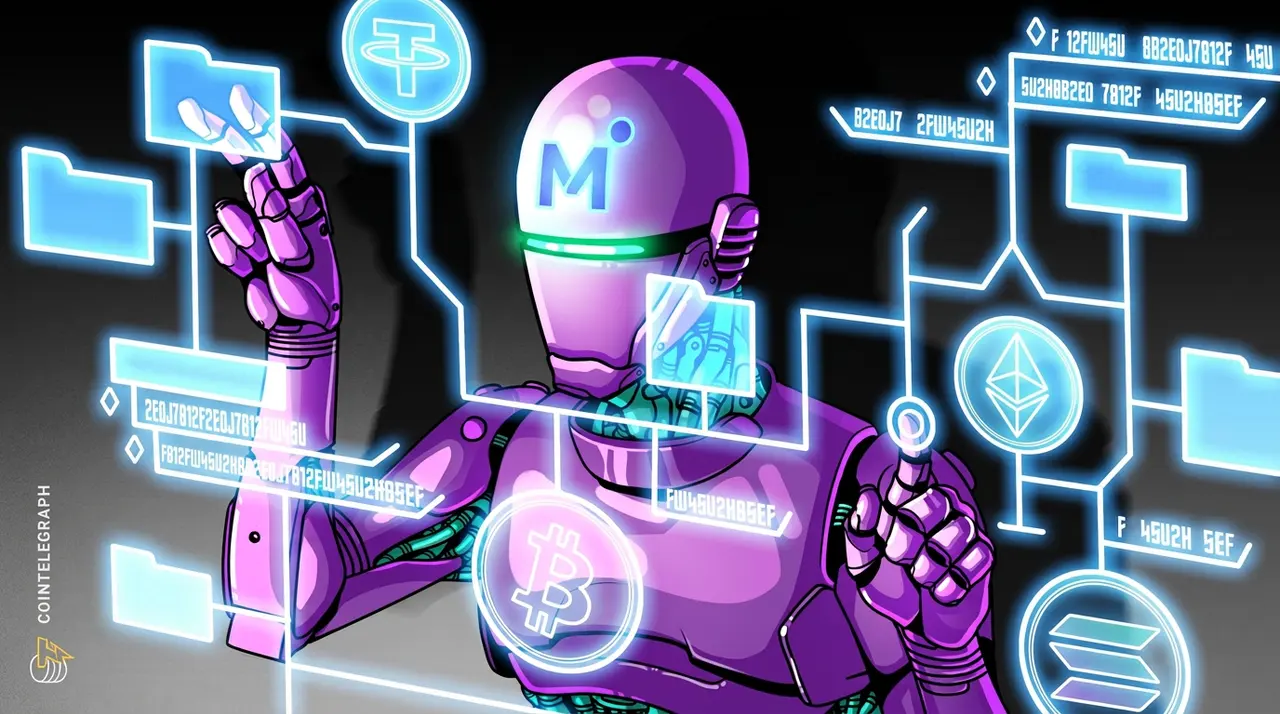
MoonPay has launched a new payment tool called PayBox that allows users of AI chatbots such as ChatGPT and Claude to authorize cryptocurrency transactions directly through conversational interfaces, while keeping control of their own assets.
How PayBox Works
The PayBox vault is designed to bridge the gap between AI assistants and blockchain-based finance. According to MoonPay, the system enables users to carry out crypto purchases, execute token swaps and complete crosschain transfers without ceding custody of their holdings to a third party.
The tool operates through an authorization model, meaning the AI can facilitate and prepare transactions, but the user must approve any movement of funds. This approach is meant to combine the convenience of natural-language commands with the self-custody principles that many crypto holders prioritize.
The vault lets AI users move crypto with a conversation while still holding the keys to their own funds.
By integrating with widely used chatbots, MoonPay is positioning PayBox as a way to make crypto interactions more accessible to mainstream audiences who may already be comfortable issuing instructions to AI assistants.
The Broader Push Toward AI-Driven Payments
The launch reflects a growing trend of merging artificial intelligence with financial services, as companies race to build infrastructure that lets AI agents handle payments and transactions on behalf of users. Crypto firms in particular see conversational interfaces as a potential onramp for less technical customers.
Key features highlighted by the product include:
- Authorization of crypto purchases through supported AI chatbots
- Token swaps executed via conversational prompts
- Crosschain transactions across different blockchain networks
- User retention of custody over their assets
As AI tools become more embedded in everyday digital activity, offerings like PayBox suggest that payment and trading functions may increasingly be handled through the same assistants people already use for search, writing and other tasks. The emphasis on preserving self-custody signals an attempt to address security and control concerns as automation expands into the handling of digital money.