
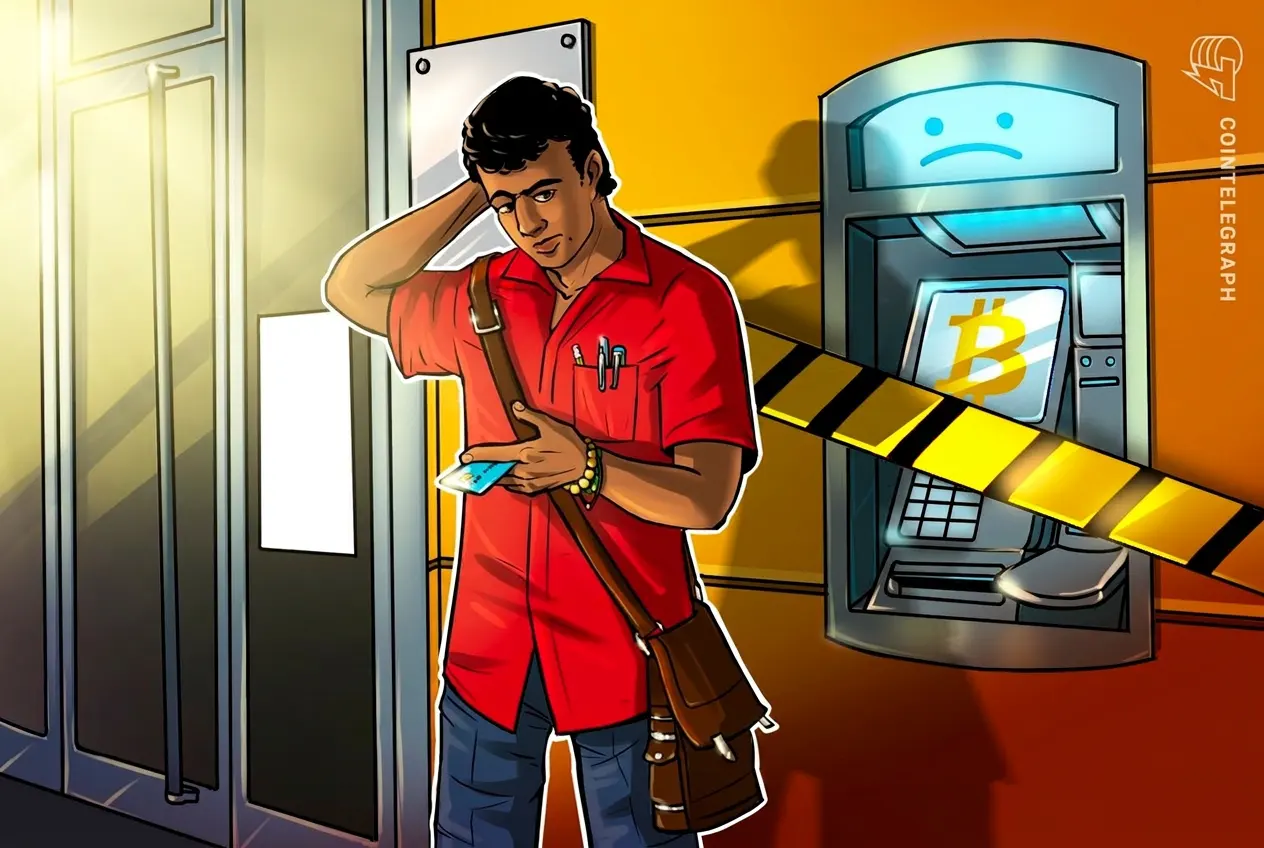
Minnesota has enacted a ban on cryptocurrency ATMs after state officials reported that residents, particularly senior citizens, lost roughly $1 million to scams linked to the machines between 2023 and 2025.
Why Minnesota Acted
State authorities pointed to a wave of fraud schemes that funneled victims' money through crypto kiosks, which convert cash into digital assets and are notoriously difficult to trace once a transaction is complete. Officials said the elderly were disproportionately targeted, often manipulated into depositing large sums under the pressure of elaborate scams.
The reported losses of about $1 million over roughly two years underscored a broader concern among regulators: that the kiosks function as a convenient laundering channel for criminals while offering few protections for the people who use them.
Crypto kiosks turned cash into an untraceable trail, and seniors paid the price.
How the Scams Work
Fraudsters frequently rely on impersonation tactics, posing as government agencies, tech support representatives or even loved ones in distress. Victims are instructed to withdraw cash and feed it into a crypto ATM, sending the funds directly to wallets controlled by the scammers.
Because blockchain transactions are irreversible and the machines often require minimal identity verification, recovering stolen money is nearly impossible once the transfer clears. That combination of speed, anonymity and irreversibility has made the kiosks a recurring target for consumer-protection efforts.
Common warning signs regulators highlight include:
- Unsolicited calls demanding payment in cryptocurrency
- Instructions to visit a specific ATM to deposit cash
- Claims of urgent legal or financial trouble requiring immediate action
A Growing Regulatory Trend
Minnesota's move places it among a growing number of jurisdictions weighing tighter rules or outright bans on crypto ATMs as scam reports climb nationwide. Lawmakers elsewhere have proposed transaction caps, mandatory disclosures and stricter identity checks in an effort to curb abuse without eliminating the machines entirely.
For now, the ban signals that state officials view the risks to vulnerable residents as outweighing the convenience the kiosks provide, setting a precedent other states may look to as they confront similar fraud patterns.