
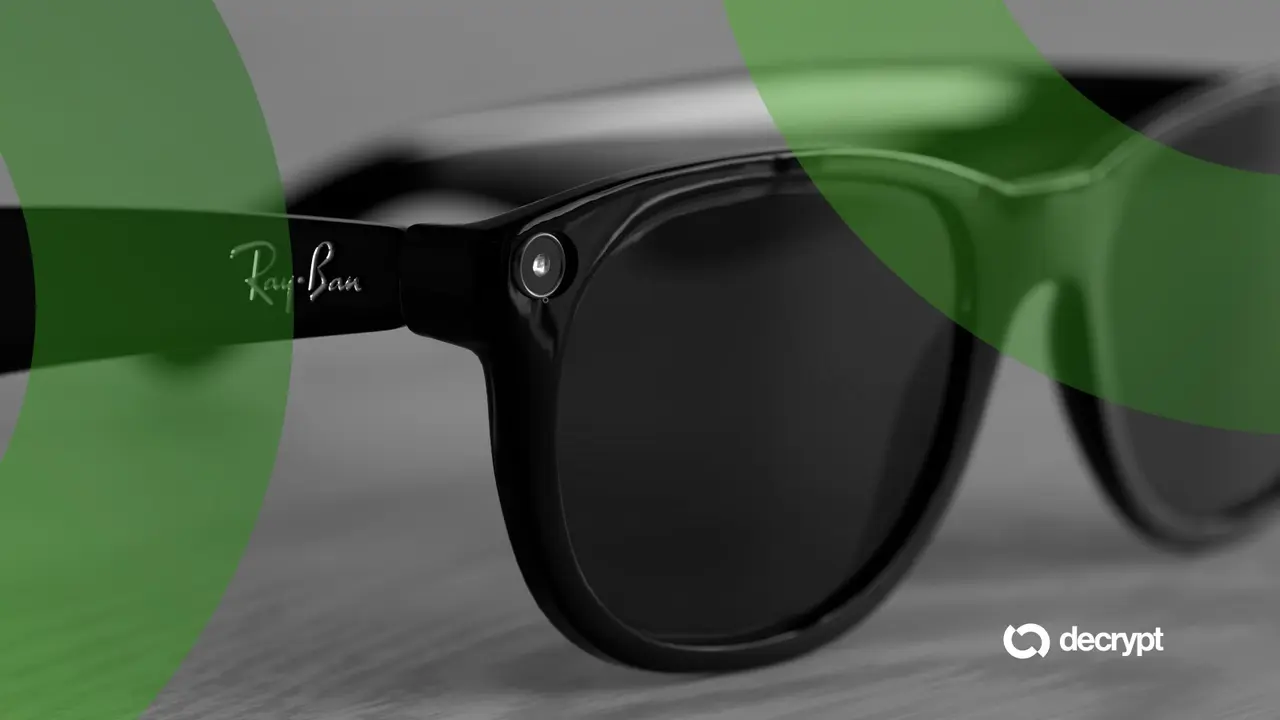
Meta has filed a patent for camera technology capable of recognizing faces and automatically logging the actions of people captured on video, raising fresh concerns about surveillance and consent in the age of wearable devices.
What the Patent Describes
According to the filing, the technology would transform raw video footage into organized, labeled clips that identify who is present and catalog what they are doing. Rather than simply recording video, the system would process the footage into a searchable log of individuals and their activities.
The most contentious aspect of the patent is that this identification and logging could occur without the subjects ever agreeing to be tracked. The system, as described, does not appear to require any opt-in mechanism from the people appearing in the footage.
Raw footage becomes a searchable record of who did what—no permission required.
Such capabilities align with Meta's broader push into wearable technology, including its line of smart glasses. Devices that continuously capture the world around a wearer become far more powerful—and far more invasive—when paired with software that can name and track everyone in view.
Privacy Concerns Mount
The filing lands at a moment when privacy advocates are already wary of always-on cameras embedded in consumer devices. Facial recognition deployed at scale, without the knowledge or consent of those being identified, represents exactly the kind of scenario critics have long warned against.
It's worth noting that a patent filing does not guarantee a product will ever reach the market. Companies routinely patent technologies they never commercialize, sometimes to protect intellectual property or block competitors rather than to build a shipping product.
Still, the direction signaled by the filing suggests Meta is at least exploring how to make its cameras smarter and more context-aware. For observers of the company's data practices, that possibility alone is enough to prompt scrutiny.
- The system converts raw video into labeled clips identifying individuals
- It logs specific actions performed by people on camera
- No opt-in or consent from subjects appears to be required
- The technology could complement Meta's smart glasses ecosystem
As wearable cameras grow more common, the tension between convenience and surveillance is likely to intensify—and filings like this one offer a glimpse of where the technology could be heading.