
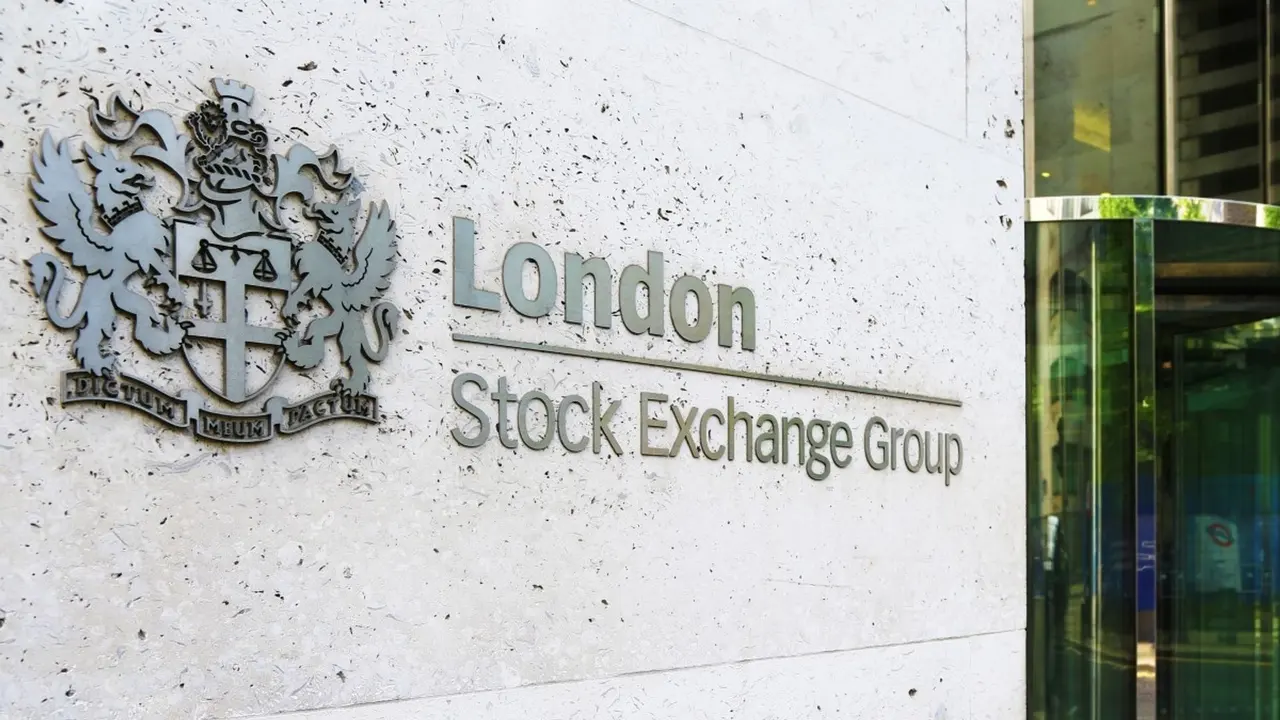
The London Stock Exchange is partnering with Payward, the parent company of crypto exchange Kraken, to bring some of Britain's largest publicly traded companies onto the blockchain, marking a significant step in the growing convergence of traditional finance and digital assets.
A Landmark Tokenization Push
Under the collaboration, the LSE will work with Payward to tokenize top U.K.-listed equities, allowing shares in major British companies to be represented and traded on blockchain rails. Payward is the developer behind xStocks, a framework designed to create tokenized versions of publicly traded equities that can move across digital asset networks.
The move signals a deepening interest from established financial institutions in tokenization, a process that converts ownership of real-world assets into digital tokens that can be settled and transferred onchain. Proponents argue the technology can reduce settlement times, cut costs, and open trading to a wider global audience.
One of the world's oldest exchanges is placing a serious bet on the blockchain future of equity markets.
Why It Matters
For the LSE, teaming up with a crypto-native firm like Payward reflects the mounting pressure on legacy exchanges to modernize their infrastructure and embrace emerging blockchain-based settlement systems. Tokenized equities have gained momentum as investors and firms seek faster, more transparent alternatives to traditional trading and clearing mechanisms.
Payward's xStocks framework has already been used to create tokenized representations of various equities, giving the company a foundation to extend that model to the U.K. market. The partnership could serve as a template for how other major exchanges approach onchain equity offerings.
Key implications of the effort include:
- Bringing blue-chip U.K. stocks onto blockchain networks
- Potentially faster and cheaper settlement for equity trades
- A closer alignment between traditional exchanges and crypto firms
As tokenization continues to attract attention from regulators, institutions, and investors, the collaboration underscores how the boundaries between conventional capital markets and digital assets are increasingly blurring.