
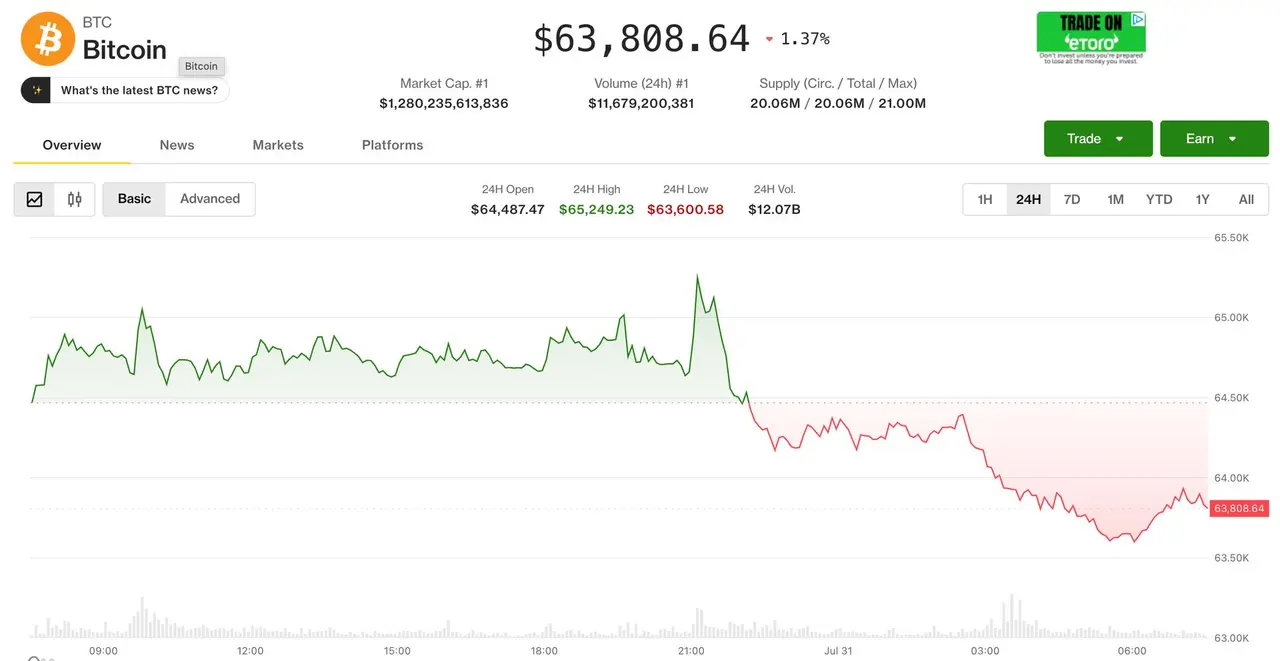
A newly disclosed vulnerability in a widely used Bitcoin hardware product has rattled the community, with veteran holders calling it among the most damaging security incidents the network has seen, even as broader crypto markets held steady following the Bank of Japan's latest policy decision.
Longtime Bitcoiners Sound the Alarm
Prominent members of the Bitcoin community have reacted with alarm to a flaw discovered in Coincard, describing it in stark terms as one of the worst events in the asset's history. The reaction underscores how seriously long-standing holders take the integrity of the tools used to safeguard their coins.
Hardware and storage solutions are the backbone of self-custody, the practice that many Bitcoiners consider central to the network's promise of financial sovereignty. When a defect surfaces in such products, it can undermine confidence not only in a single vendor but in the broader ecosystem that depends on trust and rigorous security.
When the tools meant to protect your keys are compromised, the very idea of self-custody is put to the test.
The intensity of the response reflects the stakes involved. For users who store significant holdings in hardware wallets and related devices, a flaw is not an abstract technical footnote but a direct threat to their assets.
Markets Steady as Bank of Japan Holds
Away from the security drama, the wider crypto market remained calm. The Bank of Japan left its benchmark interest rate unchanged at 1%, a move that markets had largely anticipated.
Governor Kazuo Ueda struck a hawkish tone in his commentary, but the signals landed softly because investors had already priced in the likelihood of a rate increase in October. That expectation cushioned any immediate shock to risk assets.
Key takeaways from the day:
- The Bank of Japan held its policy rate steady at 1%.
- Markets had already anticipated an October hike, muting the reaction.
- The yen carry trade, a key driver of global liquidity, remains intact for now.
Bitcoin traded steadily through the announcement, suggesting traders were more focused on the central bank's forward guidance than on the immediate decision. With the carry trade still alive, conditions that have supported broader risk appetite appear unchanged for the moment.