
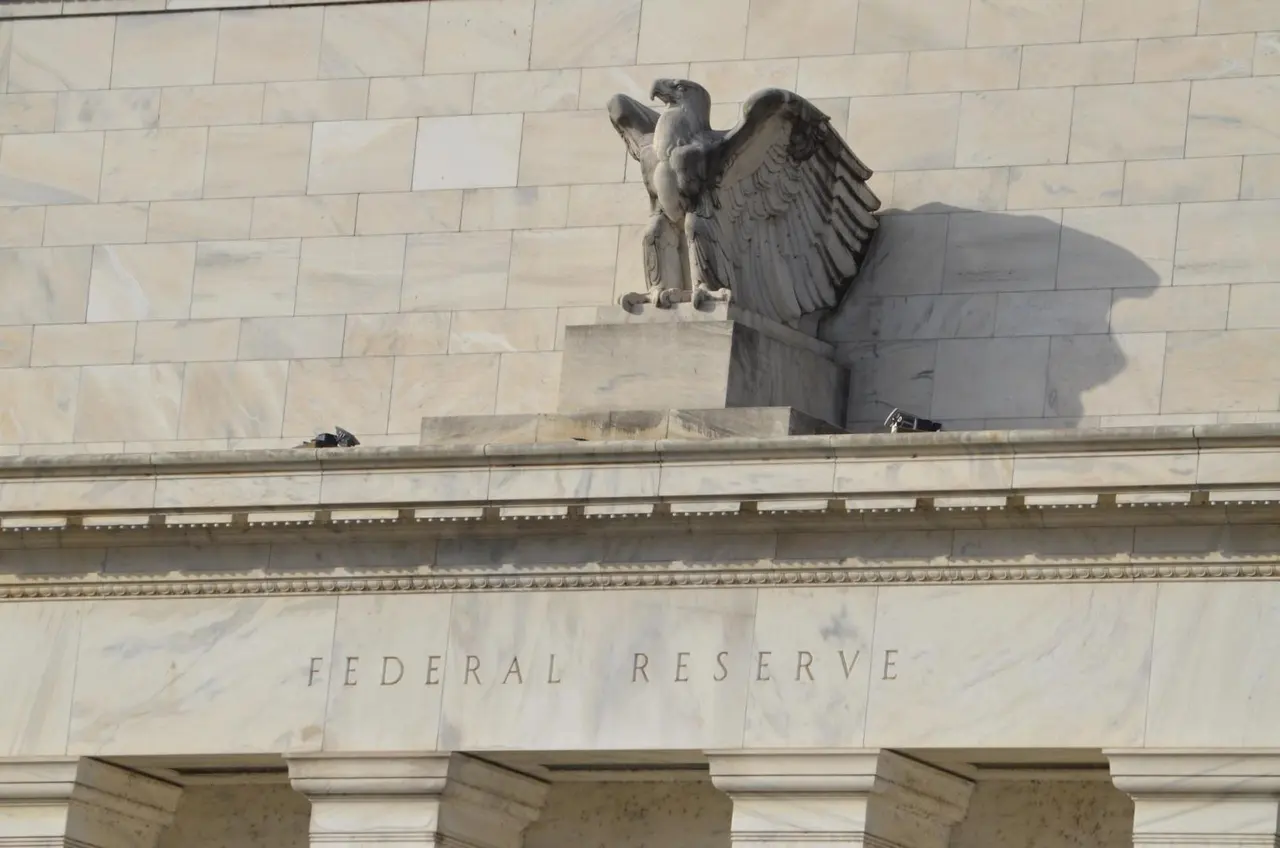
Bitcoin pushed past $64,000 during Asian trading hours on Wednesday as investors positioned themselves ahead of the Federal Reserve's closely watched interest rate decision, with the broader market bracing for potential volatility.
Bitcoin Advances in Asia
The world's largest cryptocurrency cleared the $64,000 threshold during the Asian session, extending gains as traders across the region readied themselves for the U.S. central bank's announcement later in the day. The move higher reflected cautious optimism, though many market participants remained wary about how the Fed's messaging could ripple through risk assets.
Crypto markets have historically shown sensitivity to shifts in monetary policy, with tighter conditions typically weighing on speculative assets and looser policy often providing tailwinds. That dynamic has kept traders on edge in the run-up to Wednesday's decision.
Bitcoin's climb above $64,000 sets the stage for a tense session as the Fed prepares to reveal its hand.
The Fed Decision in Focus
While the consensus view has the Federal Reserve holding rates steady at this meeting, a meaningful minority of market observers see the possibility of a surprise. Notably, some prominent institutions have flagged the risk of an unexpected hike, a scenario that could send shockwaves through both traditional and digital asset markets.
Among those raising the alarm about a potential hike are heavyweight players in the financial world:
- Citadel Securities, one of the largest market makers, has pointed to the risk of a surprise move.
- UBS has similarly signaled that a hike cannot be ruled out.
Should the Fed opt to hold as widely expected, crypto assets could see relief, but any hawkish surprise or unexpectedly aggressive commentary from Fed officials may reverse sentiment quickly. Traders are watching not only the rate decision itself but also the accompanying statement and guidance for clues on the path ahead.
The coming hours are set to test bitcoin's momentum, with the market's next major move likely hinging on how policymakers frame the outlook for inflation and growth.