
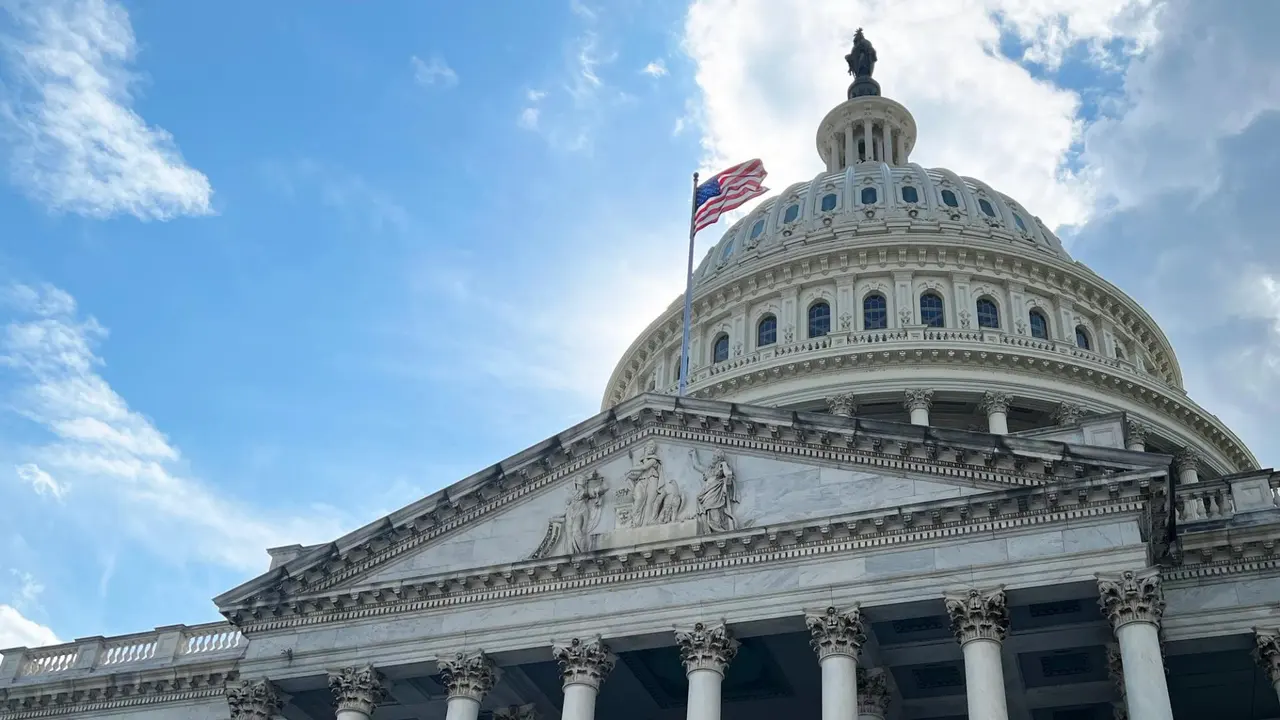
The fate of the CLARITY Act, the sweeping crypto market structure bill that has consumed much of Washington's attention this year, remains anyone's guess as lawmakers face a crowded legislative calendar and dwindling political consensus.
A Bill in Limbo
The CLARITY Act was supposed to be the crowning achievement of a banner year for crypto policy. After the industry celebrated the passage of stablecoin legislation, market structure reform was billed as the next logical step — a framework that would finally divide oversight responsibilities between regulators and give digital asset companies the regulatory certainty they have long demanded.
But momentum has stalled. What once looked like an inevitable march toward passage now feels more like a waiting game, with competing priorities, shifting alliances and a shrinking legislative window all conspiring against a quick resolution.
When the best available forecast is "flip a coin," the industry knows it has a problem.
The uncertainty has left lobbyists, executives and lawmakers reading tea leaves, trying to gauge whether the bill still has the political fuel to cross the finish line before attention drifts elsewhere.
Reading the Vibes
Absent a clear timeline or firm commitments from congressional leadership, much of the current analysis boils down to sentiment rather than substance. The mood in Washington has cooled, and the enthusiasm that propelled earlier crypto wins hasn't fully carried over to the far more complex task of restructuring market oversight.
Several factors are weighing on the bill's prospects:
- A packed congressional schedule leaving little room for lengthy debate
- Disagreements over how to split regulatory authority
- Fading urgency as other legislative fights take priority
For now, supporters are holding out hope that the groundwork laid earlier this year will be enough to revive the effort. But without renewed pressure and a concrete path forward, CLARITY risks becoming another well-intentioned crypto initiative that runs out of time.
What Comes Next
Whether the bill ultimately passes, gets watered down, or quietly fades may come down to how much political capital the industry and its allies are willing to spend in the months ahead. The coming weeks should offer clearer signals as Congress sets its agenda and lawmakers decide how much appetite remains for tackling market structure.
Until then, the honest assessment is that no one can say for certain — and in a policy environment this fluid, even the most confident predictions come with a heavy