
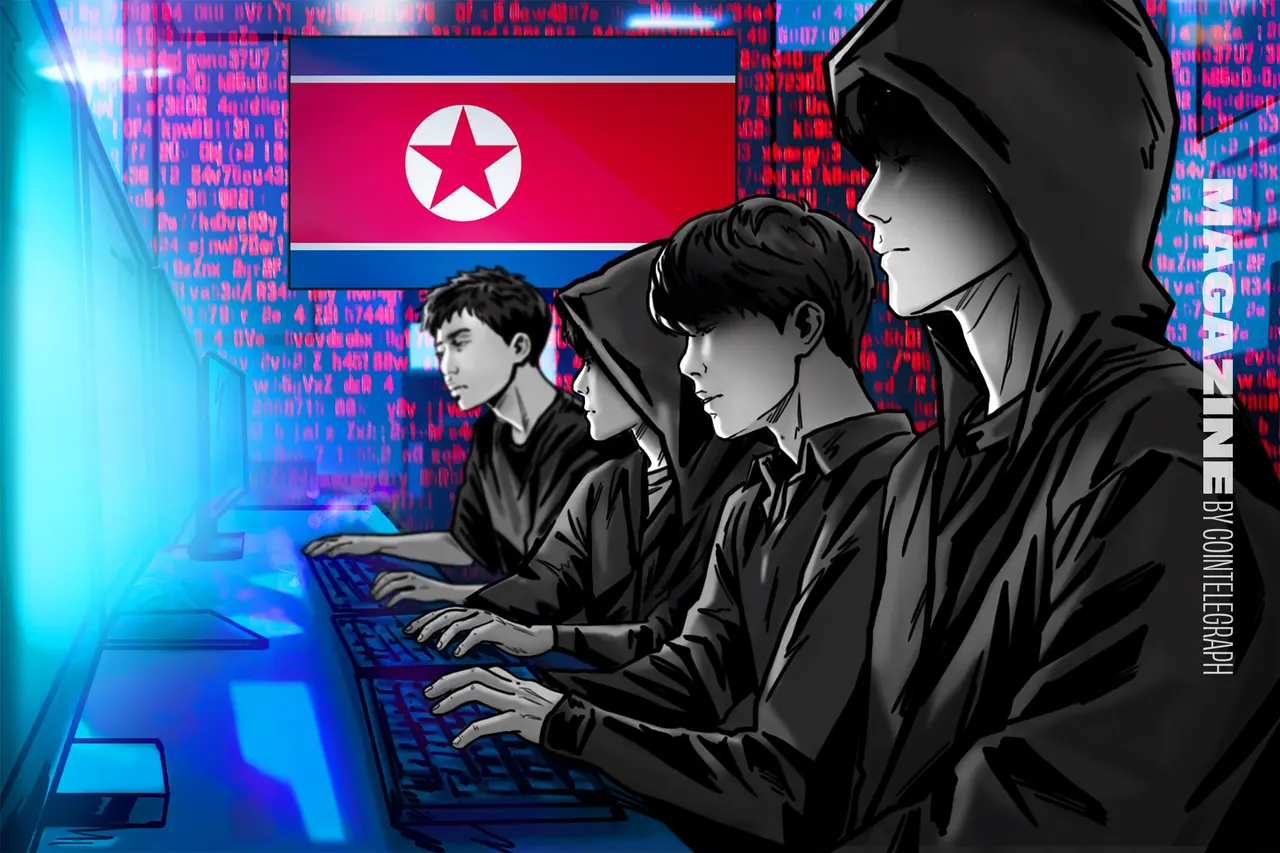
Cybersecurity researchers built an elaborate fake cryptocurrency startup designed to attract North Korean IT operatives, gathering detailed intelligence on how these workers infiltrate legitimate tech companies while remaining completely unaware their activity was being monitored.
The Sting Operation
The counterintelligence effort centered on constructing a convincing but entirely fabricated crypto company, complete with job listings, branding and a hiring pipeline. The goal was to lure suspected North Korean operatives who routinely apply for remote roles at blockchain and technology firms under false identities.
Once these applicants engaged with the sham startup, investigators tracked their behavior throughout the recruitment and onboarding process. Every interaction — from interviews to technical submissions — became a data point in a broader effort to understand how the operatives function.
The workers thought they were landing a job. Instead, they became the subjects of a carefully staged intelligence operation.
The trap allowed researchers to observe tactics and patterns that are typically hidden from view, offering a rare window into a scheme that has increasingly targeted the crypto industry.
Why North Korean IT Workers Target Crypto
For years, US and international authorities have warned that North Korea deploys skilled IT workers to secure remote jobs at Western companies, using stolen or fabricated identities to bypass hiring checks. The wages and access they obtain are believed to funnel funds back to the regime, often in violation of sanctions.
Crypto firms are especially attractive targets because they hire globally, frequently operate with remote-first teams, and handle valuable digital assets. That combination makes the sector a prime hunting ground for operatives seeking both income and potential access to sensitive systems.
Key takeaways from operations like this one include:
- Operatives often rely on fake or borrowed identities to pass screening.
- Remote hiring practices create vulnerabilities that are difficult to detect.
- Intelligence gathered from stings can help firms strengthen their vetting.
The fake startup ultimately demonstrated that the same openness that fuels innovation in crypto can also be exploited, underscoring the need for tighter identity verification and background checks across the industry.