
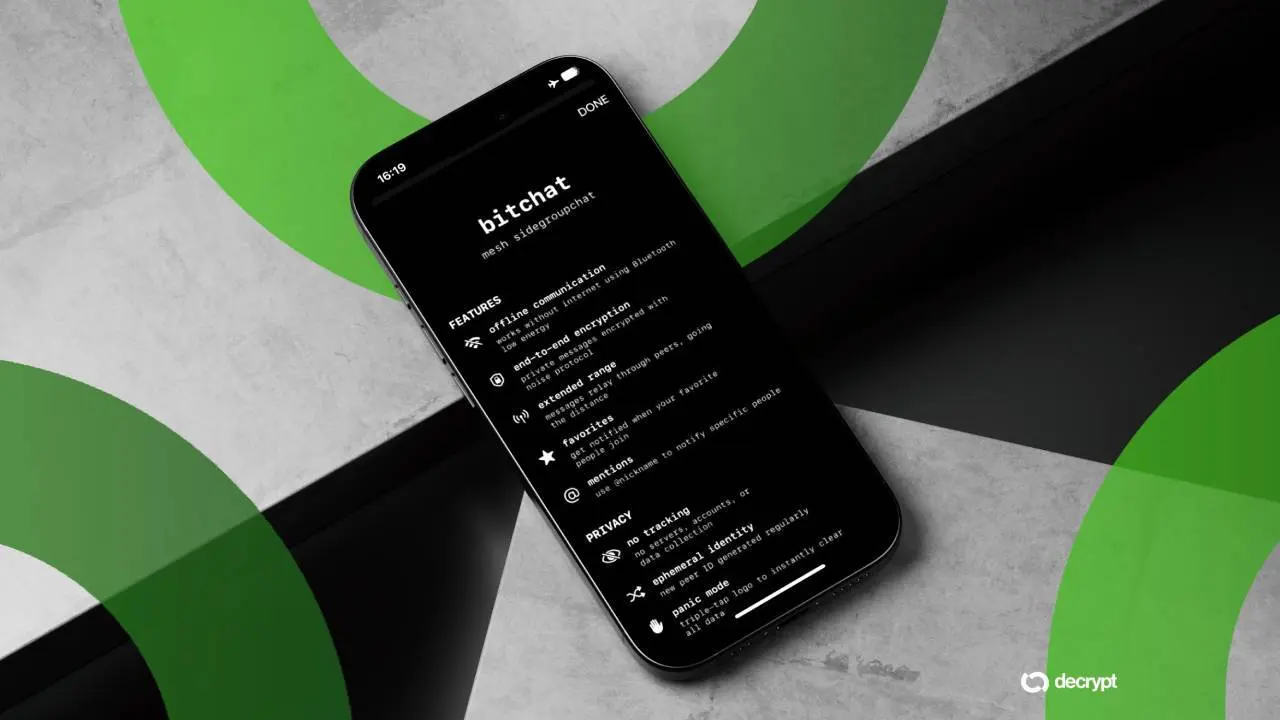
Indian authorities have directed GitHub to remove code repositories linked to Bitchat, the decentralized messaging app backed by Jack Dorsey, giving the platform a tight three-hour window to comply as officials cited the app's role during protest-related internet shutdowns.
A Rapid Takedown Order
The government's directive targeted three separate code repositories hosting Bitchat's source material, according to reports. The unusually short compliance deadline underscores the urgency with which authorities treated the request, leaving GitHub little room to review or contest the order before acting.
Bitchat has drawn attention for its ability to function without conventional internet infrastructure, relying instead on peer-to-peer connections that allow users to communicate even when networks are throttled or shut down entirely. That capability appears central to the government's concern.
When authorities cut the internet, an app that doesn't need it becomes the story.
Protests and Connectivity Blackouts
Officials pointed to the app's use during periods of unrest, when internet access in affected regions was deliberately restricted. India has repeatedly imposed localized internet shutdowns during protests and periods of civil tension, a practice that has drawn criticism from digital rights advocates.
Bitchat's design lets it sidestep those restrictions, enabling protesters and others to keep messaging when traditional connectivity is unavailable. That resilience has made the tool attractive to activists but also a target for governments seeking to control the flow of information during sensitive moments.
The app is associated with Jack Dorsey, the former Twitter chief executive who has become a prominent backer of decentralized technologies and Bitcoin-adjacent projects. His involvement has amplified attention around the takedown.
What It Signals
The move highlights the growing friction between decentralized communication tools and state authorities intent on limiting their reach. Key dynamics at play include:
- Governments increasingly targeting the code and hosting layer, not just app stores
- Decentralized apps designed to survive network blackouts
- Tight compliance windows that pressure platforms to act quickly
For developers and platforms alike, the episode raises questions about how far takedown demands can extend into open-source code repositories and what recourse exists when compliance deadlines are measured in hours rather than days.