
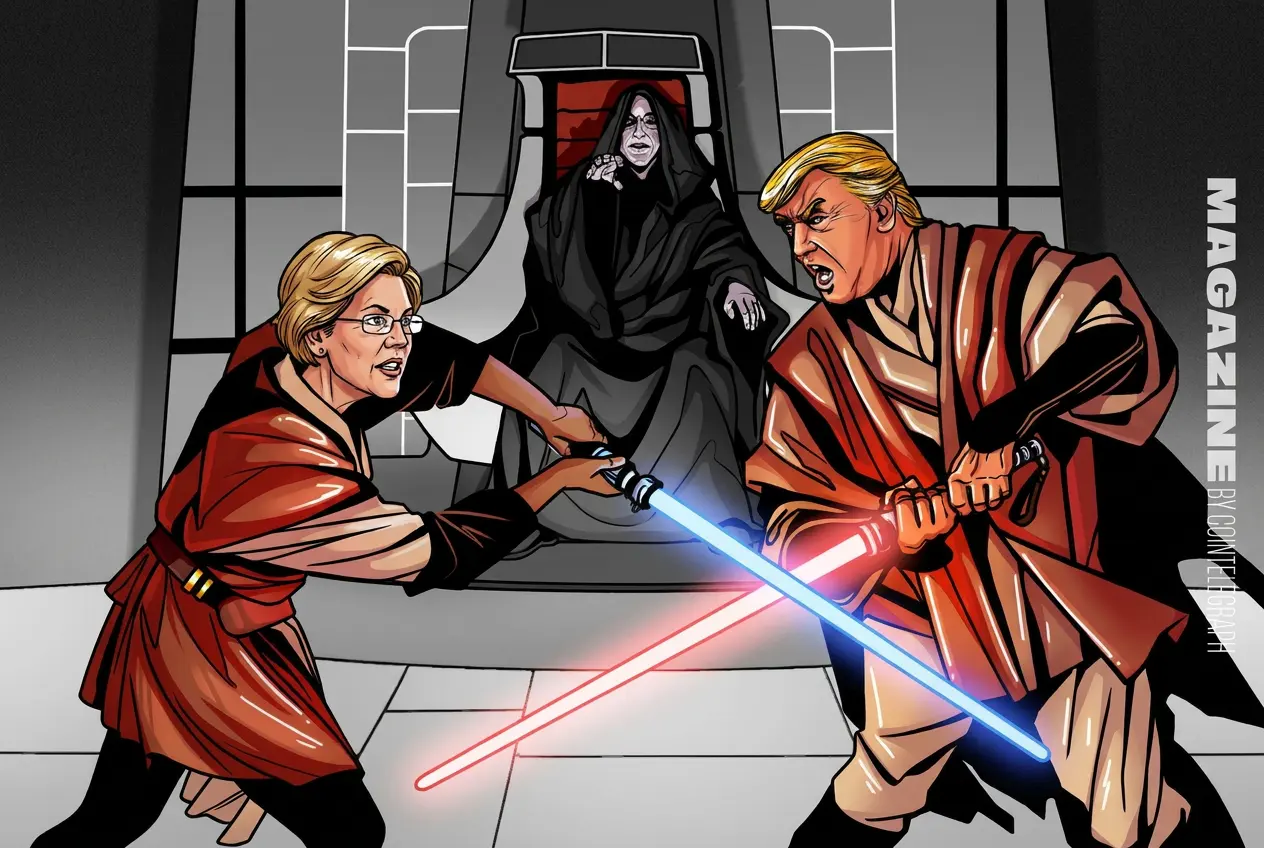
Efforts to pass sweeping US crypto market structure legislation are running into an unexpected roadblock: a fight over ethics rules and who should enforce them. While lawmakers on both sides of the aisle publicly back the CLARITY Act, negotiations over provisions targeting conflicts of interest have emerged as one of the bill's most contentious sticking points.
A Bipartisan Goal With a Partisan Snag
On the surface, the CLARITY Act enjoys rare bipartisan support. Democrats and Republicans alike have voiced a desire to establish clear rules of the road for digital assets, ending years of regulatory uncertainty that industry advocates say has pushed innovation offshore. Yet the shared ambition masks a deep divide over how far the legislation should go in policing potential conflicts of interest.
The disagreement centers less on whether ethics rules should exist and more on their scope and enforcement. Lawmakers must decide who bears responsibility for holding officials and market participants accountable, and how strict those guardrails should be. That question has proven far thornier than drafting the technical framework for classifying tokens or dividing oversight between regulators.
The bill everyone claims to want may stall not over market structure, but over who watches the watchmen.
Ethics as the Sticking Point
Ethics provisions have become a flashpoint in part because they touch on broader political tensions surrounding crypto and public office. Concerns about conflicts of interest have grown louder as digital assets intersect with campaign finance, government policy, and the personal holdings of powerful figures. Negotiators are wrestling with language that satisfies watchdogs without derailing the wider bill.
The enforcement debate compounds the difficulty. Assigning oversight to one agency over another, or creating new accountability mechanisms, carries political weight that can quickly fracture fragile coalitions. Each side wants assurances that the rules will be applied fairly and not weaponized for partisan advantage.
Key challenges shaping the standoff include:
- Deciding the scope of conflict-of-interest restrictions
- Determining which body enforces the ethics standards
- Balancing accountability with the momentum needed to pass the bill
What Comes Next
For now, the ethics dispute leaves the CLARITY Act's timeline uncertain. Supporters remain optimistic that a compromise is within reach, given the broad appetite for market structure reform. But until negotiators brid