
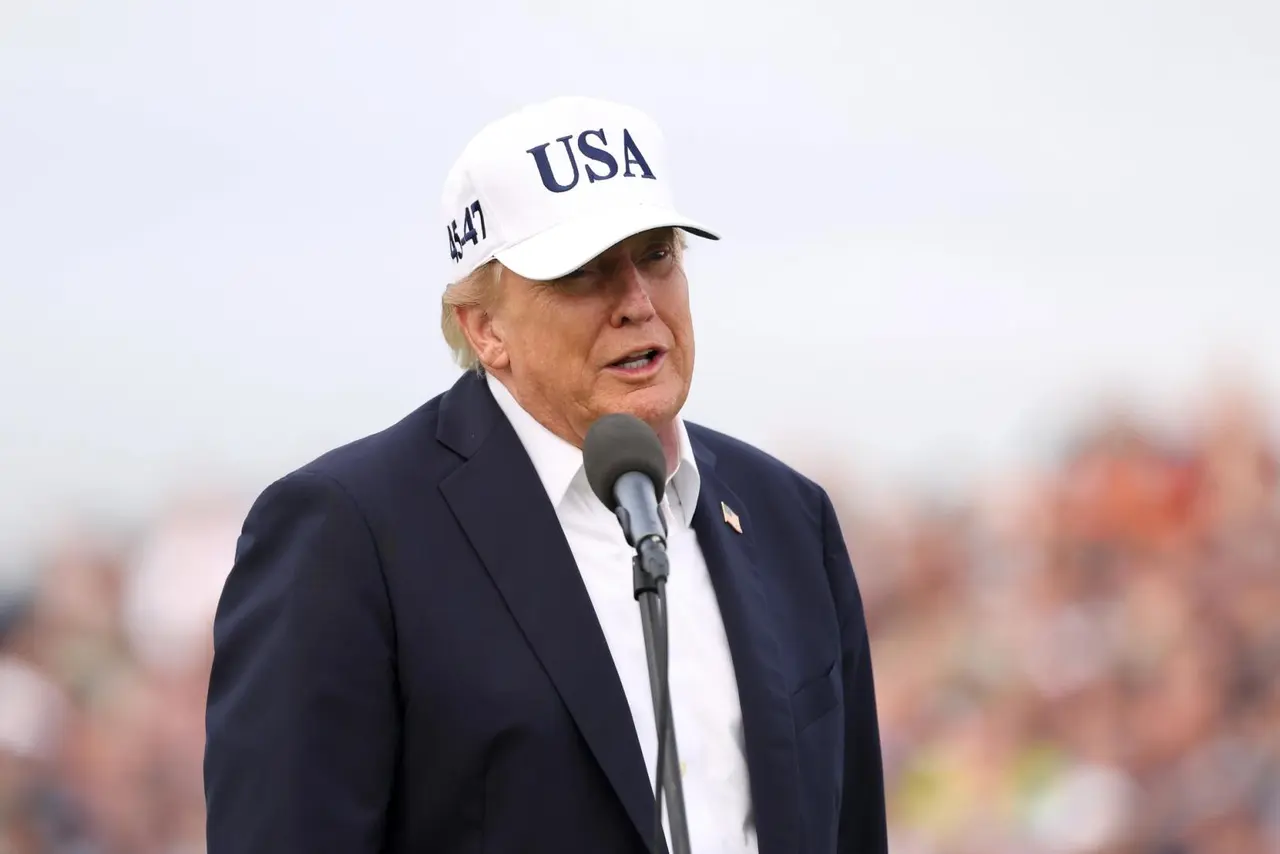
President Donald Trump has agreed to a revised ethics provision in the pending Clarity Act, a measure that would compel officials to divest certain assets and empower state attorneys general to bring lawsuits to enforce the rule.
What the Revised Provision Does
The updated language in the crypto market structure bill takes a firmer stance on conflicts of interest than earlier versions. Under the new draft, covered officials would be required to divest from holdings that could create ethical entanglements, closing loopholes that critics said left the door open to abuse.
Perhaps the most significant change is the enforcement mechanism. The revised text grants state attorneys general the authority to sue in order to compel compliance with the ethics provision, adding a layer of accountability beyond federal oversight alone.
The revised draft turns an ethics rule with teeth into one that state prosecutors can actually enforce.
Why It Matters
The ethics question has become a flashpoint as lawmakers work to finalize the Clarity Act, which aims to establish a comprehensive framework for regulating digital assets in the United States. Concerns about potential conflicts involving officials and the crypto industry have shadowed the debate, making the provision a key sticking point.
By securing Trump's agreement to the tougher language, backers of the bill may have cleared a major obstacle to advancing the legislation. The president's sign-off signals a willingness to accept stricter guardrails as the broader market structure effort moves forward.
Key elements of the revised provision include:
- A requirement for covered officials to divest conflicting assets
- Enforcement authority granted to state attorneys general
- Tighter language aimed at closing prior ethics loopholes
The compromise reflects the delicate balancing act facing lawmakers as they try to craft rules that satisfy both industry stakeholders and watchdogs demanding stronger safeguards. Whether the revised provision survives the remaining legislative process remains to be seen, but its inclusion marks a notable step in the ongoing negotiations over how the U.S. will regulate the fast-growing crypto sector.