
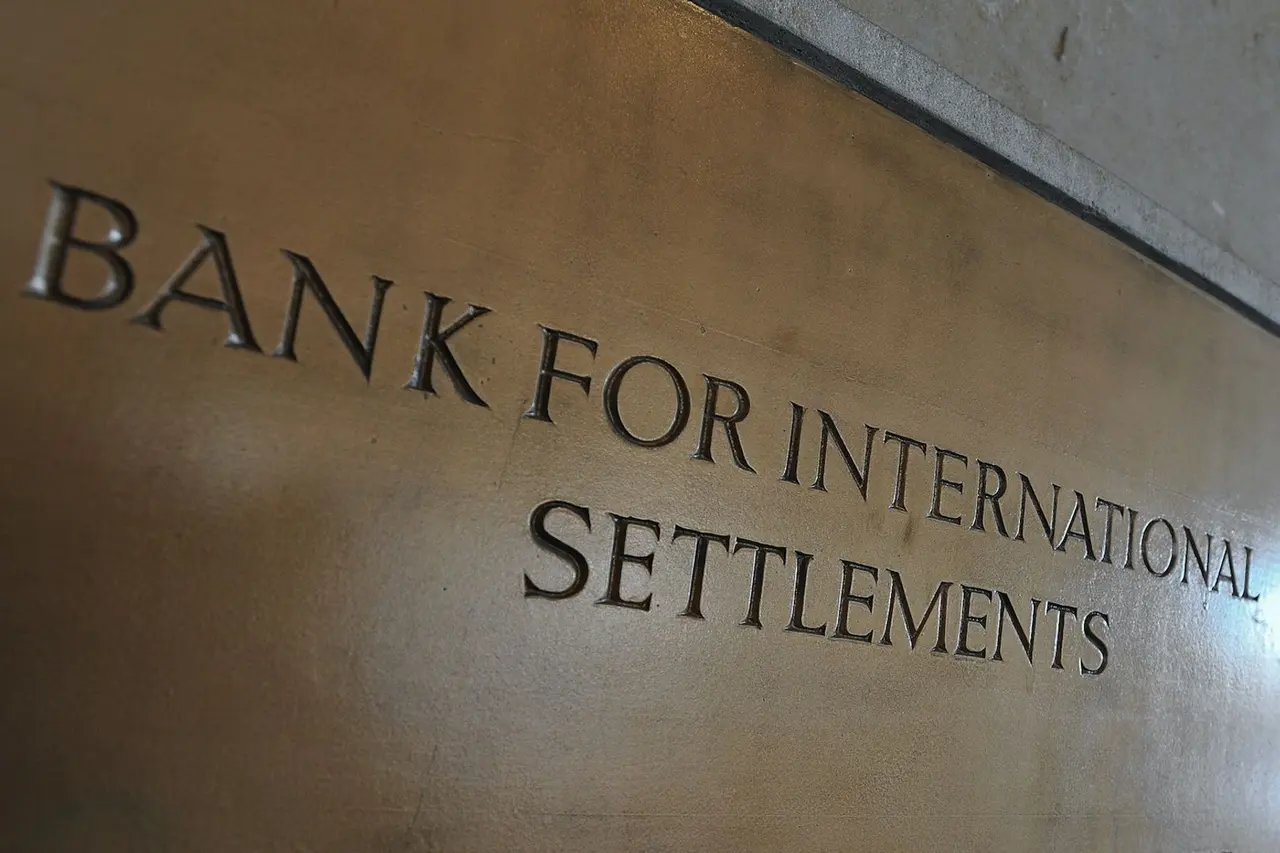
Twenty-eight major banks, including JPMorgan, Citi and UBS, have successfully moved real funds across borders using blockchain-based settlement in a live pilot coordinated by the Bank for International Settlements (BIS), marking a significant step toward mainstream adoption of tokenized money in the global financial system.
A Live Test With Real Money
The pilot went beyond theoretical modeling, involving actual transactions totaling around $1 million as participating institutions settled payments using tokenized representations of money. Unlike simulations that rely on test environments, the exercise used genuine funds, giving banks a clearer picture of how blockchain infrastructure performs under real-world conditions.
The involvement of some of the world's largest financial institutions signals growing confidence in distributed ledger technology as a viable rail for moving value between countries. Cross-border payments have long been plagued by delays, high costs and opaque intermediary chains, problems that tokenized settlement aims to address.
Twenty-eight of the world's largest banks just proved that real money can move across borders on a blockchain.
Why It Matters for Cross-Border Payments
Traditional international transfers often pass through multiple correspondent banks, adding time and expense at each stage. Tokenized money, by contrast, can be settled directly between parties on a shared ledger, potentially compressing settlement times from days to minutes while reducing counterparty risk.
The BIS, often described as the central bank for central banks, has been a leading voice in exploring how tokenization and distributed ledgers could reshape wholesale finance. Its coordination of the pilot lends institutional weight to a technology that is increasingly moving from experimentation to practical trials.
Key takeaways from the pilot include:
- Participation from 28 global banks, among them JPMorgan, Citi and UBS
- The use of real funds rather than test transactions
- A focus on improving speed and transparency in cross-border settlement
The Road Ahead
While the pilot demonstrates that tokenized settlement can work in practice, broad deployment will depend on regulatory clarity, interoperability between systems and industry-wide standards. Central banks and commercial institutions alike are watching closely as the groundwork for tokenized wholesale payments takes shape.
For now, the successful test adds momentum to a wider push among financial institutions to modernize the infrastructure underpinning international finance, suggesting that blockchain-based settlement may be ed