
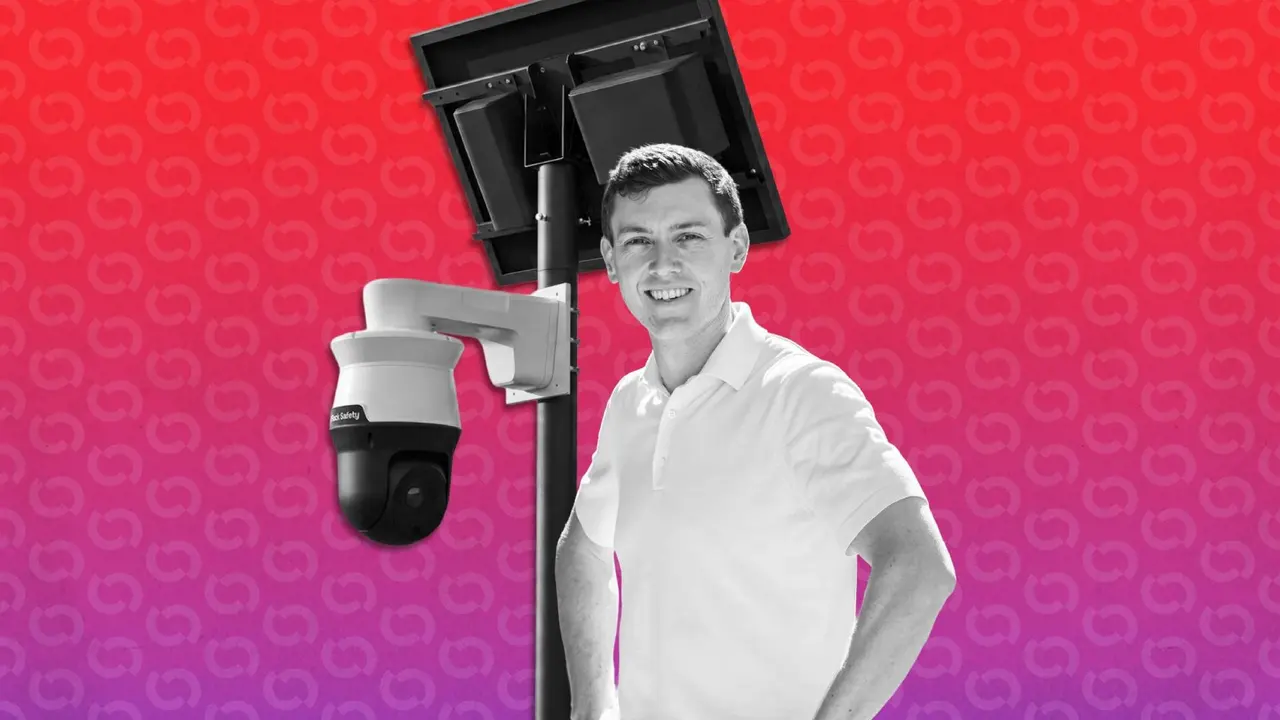
The chief executive of surveillance company Flock Safety is urging Americans to accept a "compromise" on personal privacy, a plea that arrives as public scrutiny of the firm's license-plate reading cameras intensifies across the country.
A Call for Compromise
Garrett Langley, the CEO of Flock Safety, has publicly asked citizens to balance their privacy concerns against what he frames as the public-safety benefits of the company's technology. His comments come at a delicate moment for the firm, which has blanketed neighborhoods, roadways, and towns with automated license-plate reading cameras that log the movements of vehicles.
Langley defended the integrity of the officials who rely on his company's systems, asserting that the overwhelming majority of law enforcement personnel act in good faith. He put the figure of trustworthy officers at 99.9%, an attempt to reassure a public increasingly wary of how the data collected by these devices might be used.
"99.9% of police are good actors" — a claim now colliding with mounting evidence of misuse.
The Backlash Grows
The timing of Langley's remarks is notable. They landed just days after a report identified at least 69 officials accused of misusing plate-reader systems. That finding undercuts the reassuring statistics offered by the company and has fueled a growing chorus of critics who argue that mass surveillance tools invite abuse.
Flock's cameras capture and store data on countless drivers who have committed no crime, raising concerns among privacy advocates and civil liberties groups. The company's rapid expansion has made it a lightning rod in the broader debate over how much monitoring Americans should tolerate in exchange for promises of safer communities.
Key tensions in the debate include:
- The scale of data collection on ordinary, law-abiding drivers
- Documented cases of officials abusing access to plate-reader records
- The gap between corporate assurances and independent findings
As adoption spreads, the friction between Flock's growth ambitions and public unease shows little sign of easing, leaving the company to defend both its technology and the institutions that deploy it.