
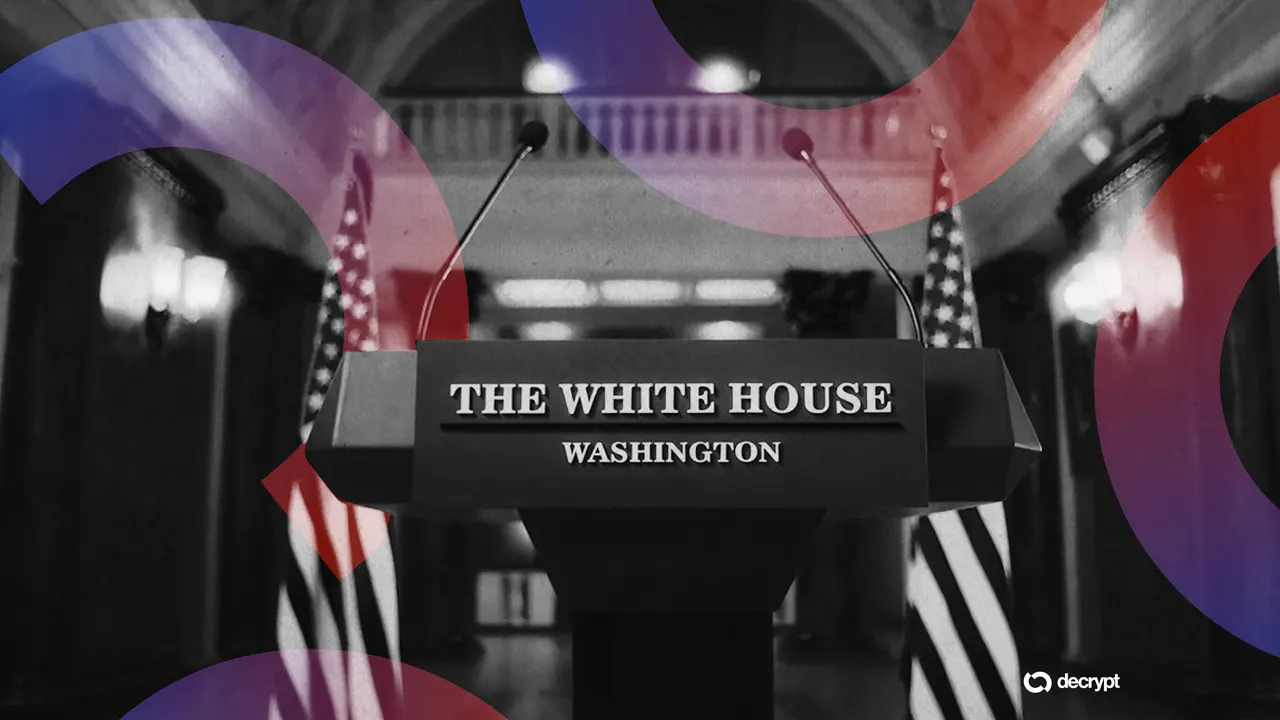
A former White House teleprompter operator has been ordered to pay penalties after regulators found he used advance access to President Donald Trump's speeches to profit on prediction markets, netting more than $107,500 before being caught.
How the Scheme Worked
Gabriel Perez, who was responsible for loading and displaying speeches before the president delivered them, allegedly leveraged his early view of the remarks to place bets on so-called "presidential mention markets." These contracts allow traders to wager on whether Trump would say specific words or phrases during a given address.
Because Perez could see the scripted language before it was spoken publicly, he held a decisive informational edge over other traders in these markets. By knowing in advance which terms would appear, he could position his trades to essentially guarantee winning outcomes.
Knowing the words before they were spoken turned a coin flip into a sure thing.
The Commodity Futures Trading Commission, which oversees such derivatives markets, determined that this constituted insider trading. Perez ultimately profited by upwards of $107,500 through the arrangement before regulators intervened.
Regulatory Crackdown
The case highlights growing scrutiny of prediction markets, which have surged in popularity and now offer contracts on everything from election outcomes to specific presidential statements. As these platforms attract more capital, regulators are paying closer attention to how non-public information can be exploited.
The CFTC's action against Perez sends a signal that individuals with privileged access to material information cannot use it to game event-based contracts. His unique position inside the White House gave him knowledge no ordinary trader could obtain.
Key takeaways from the case include:
- Perez used pre-delivery access to Trump's speeches to gain an unfair advantage
- His trades targeted markets betting on specific presidential mentions
- Profits exceeded $107,500 before enforcement action
- The CFTC treated the conduct as insider trading
The fine underscores that prediction markets, despite their novelty, are subject to the same principles governing fairness and information asymmetry that apply across regulated financial markets.