
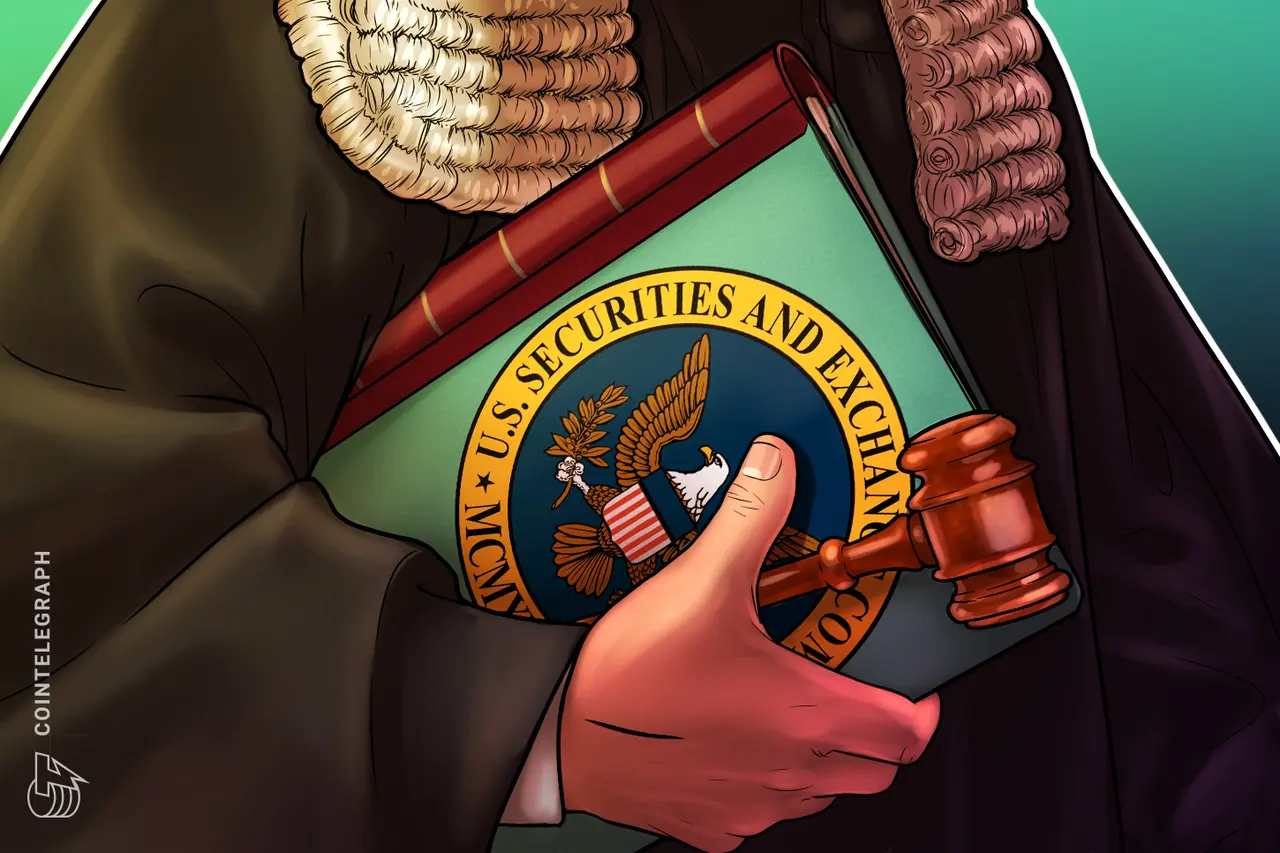
Former acting Securities and Exchange Commission chair Mark Uyeda has revealed that the agency abandoned numerous enforcement actions against cryptocurrency companies in early 2025, citing concerns that pursuing the cases could damage the regulator's standing in court.
A Strategic Retreat From Litigation
Uyeda, who now serves as an SEC commissioner, explained that the decision to drop the cases stemmed from worries about the agency's credibility should the matters proceed to trial. According to Uyeda, continuing to press forward with legally shaky cases risked undermining the regulator's authority when it mattered most.
The move marked a sharp departure from the aggressive enforcement posture the SEC had adopted toward the digital asset industry in previous years. Under prior leadership, the agency had filed a wave of lawsuits and enforcement actions targeting crypto firms, often relying on the argument that many tokens qualified as unregistered securities.
Pressing forward on weak legal footing risked eroding the very authority the agency depends on in court.
By stepping back from these cases, the SEC signaled a recalibration of how it approaches the fast-moving and legally ambiguous crypto sector, where courts have not always sided with regulators.
Shifting Regulatory Winds
The disclosure reflects a broader change in tone at the SEC as it reconsiders its relationship with the cryptocurrency industry. Rather than pursuing litigation with uncertain outcomes, the agency has appeared more willing to reassess its strategy and prioritize cases where its legal position is stronger.
Industry observers have long argued that the SEC's enforcement-first approach created uncertainty and left companies without clear rules to follow. Uyeda's comments suggest that at least some within the agency shared concerns about the durability of certain cases.
Key takeaways from Uyeda's remarks include:
- Multiple crypto enforcement cases were dropped in early 2025
- Credibility in court was a driving factor behind the decision
- The move signals a more measured regulatory stance toward digital assets
The comments add to ongoing debate over how U.S. regulators should oversee the crypto market and whether new frameworks are needed to replace enforcement actions with clearer guidance for the industry.