
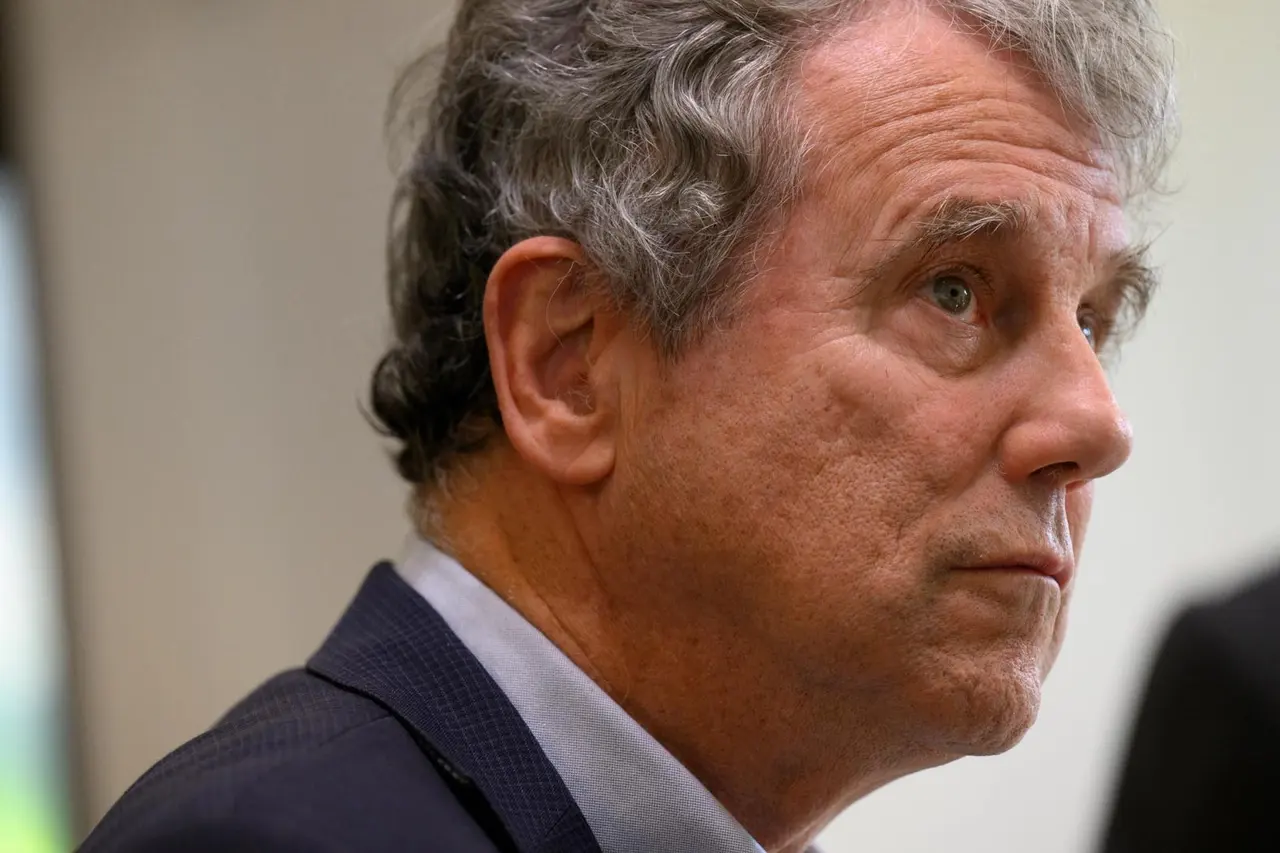
The cryptocurrency industry's most influential political action committee is once again taking aim at former Senator Sherrod Brown, pledging $30 million to defeat his renewed bid for a seat in the U.S. Senate. The commitment marks Fairshake's largest single expenditure of the 2026 election cycle and revives a rivalry that defined its spending two years earlier.
A Familiar Target
Brown, a longtime critic of the digital asset sector, has repeatedly clashed with the industry during his years in Washington. As a prominent voice on financial oversight, he emerged as one of the crypto world's chief antagonists, opposing many of the policies the sector has championed.
That history made him a priority target for Fairshake once again. The PAC previously spent roughly $40 million against Brown during his prior campaign — its largest outlay at the time — helping to shape the outcome of that closely watched race.
The industry is betting big once more that money can move a Senate seat out of the reach of one of its fiercest opponents.
A Record-Setting Investment
The $30 million pledge stands as Fairshake's biggest spending decision of the 2026 cycle so far, underscoring the industry's willingness to deploy vast sums to influence elections that could determine the regulatory landscape for years to come.
Fairshake has built a reputation as one of the most aggressive and well-funded political operations in recent memory, backed by major players across the crypto ecosystem. Its strategy has consistently focused on rewarding allies and punishing candidates seen as hostile to the sector.
- Fairshake's earlier campaign against Brown totaled around $40 million.
- The new $30 million commitment leads all its 2026 spending to date.
- Brown remains a leading skeptic of cryptocurrency policy.
What's at Stake
The heavy spending highlights how central elections have become to the crypto industry's broader push for favorable legislation and regulatory clarity. With key committee seats and legislative priorities hanging in the balance, control of the Senate carries significant implications for the sector.
For Brown, the renewed offensive signals that his return to the campaign trail will once again pit him against one of the deepest-pocketed forces in American politics. The outcome could serve as a barometer for the industry's political muscle heading into the rest of the cycle.