
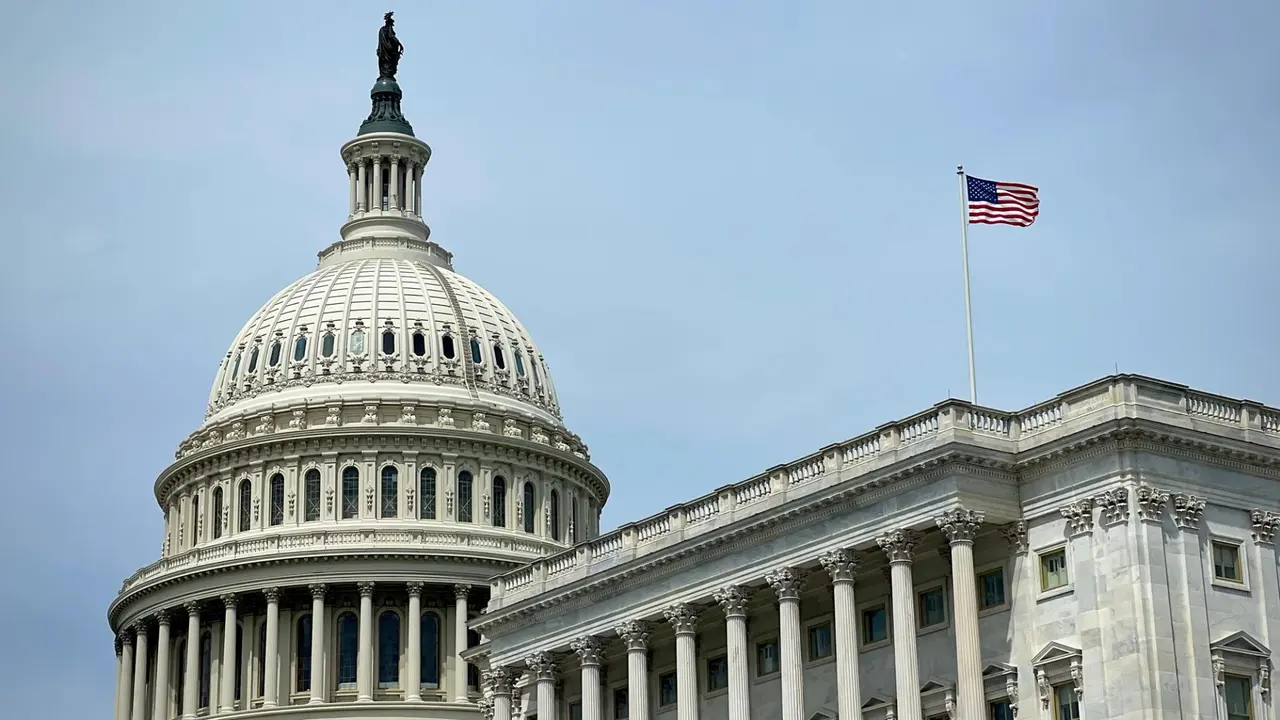
The long-running push to establish a comprehensive regulatory framework for U.S. crypto markets stalled once again after the Crypto Clarity Act failed to clear a decisive procedural vote in the Senate, falling short of the 60-vote threshold needed to advance.
## A Setback Years in the Making The legislation represented one of the most ambitious attempts to date to define how digital assets should be regulated in the United States, aiming to draw clear lines between the jurisdictions of federal agencies and to provide long-sought certainty for the industry. Despite months of negotiation and lobbying, supporters could not assemble the bipartisan coalition required to overcome the Senate's cloture hurdle.
The outcome deals a blow to crypto advocates who had hoped 2026 would finally bring the market-structure clarity they have argued is essential for the sector to mature and compete globally.
After years of effort, the industry's roadmap to U.S. regulatory certainty hit a familiar dead end in the Senate.
## What the Bill Sought to Do At its core, the Crypto Clarity Act was designed to resolve one of the industry's most persistent complaints: the lack of a coherent framework spelling out which regulators oversee which assets. The measure sought to clarify the roles of key agencies and to reduce the legal ambiguity that has left many crypto firms uncertain about their compliance obligations.
Proponents contended that without such rules, innovation and investment would continue drifting overseas to jurisdictions with clearer regimes.
- Establishing jurisdictional boundaries between federal regulators
- Providing legal certainty for crypto businesses operating in the U.S.
- Addressing long-standing gaps in market-structure oversight
## The Road Ahead The failed vote leaves the future of U.S. crypto legislation uncertain, and it underscores how difficult it remains to build durable bipartisan consensus on digital-asset policy. Backers of the measure may seek to revive elements of the bill in future sessions or through amended versions, but for now the effort has been sidelined.
For an industry that has repeatedly pressed Washington for definitive rules, the outcome is a reminder that regulatory clarity remains elusive despite years of advocacy and shifting political winds.