
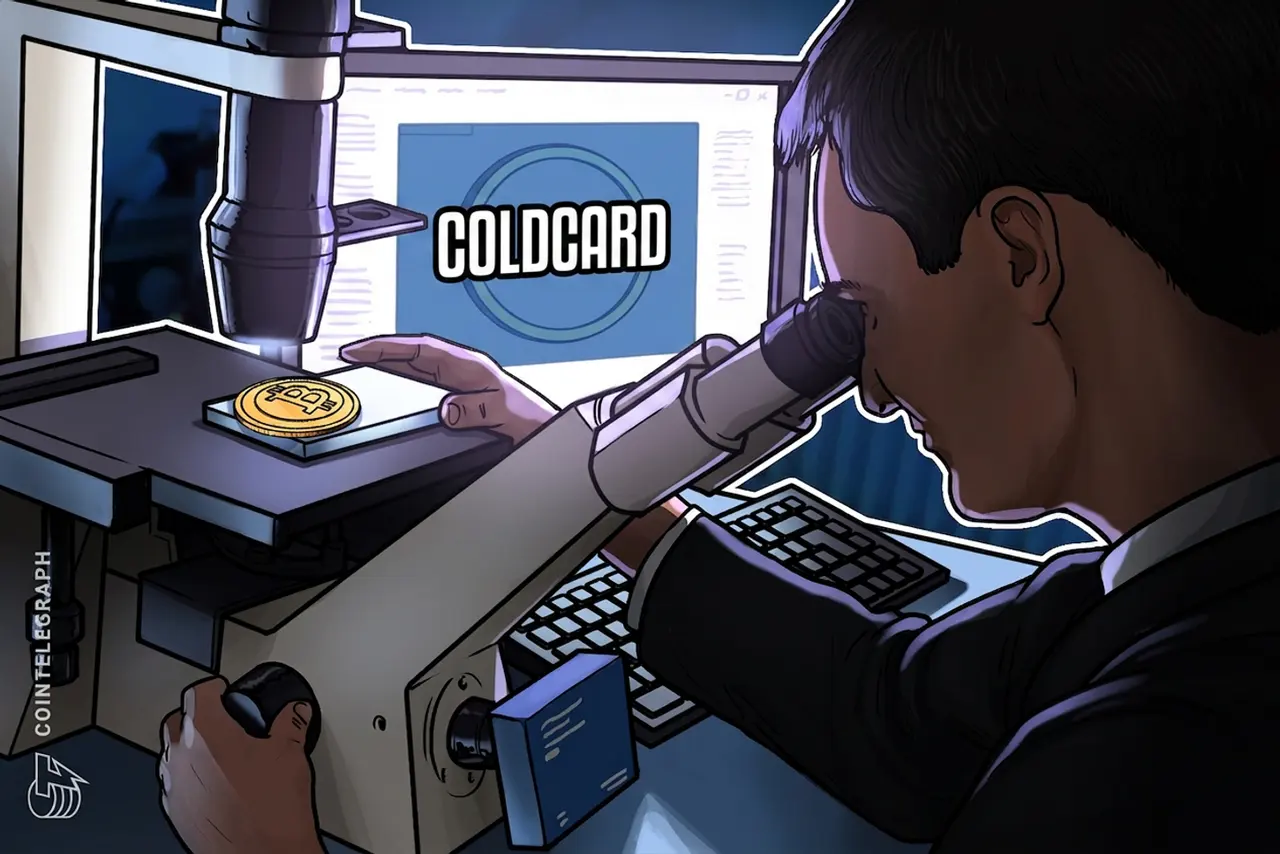
A recent security incident involving Coldcard hardware wallets has left investigators scrambling to determine the true scale of losses, with no confirmed figure yet as forensic teams piece together evidence from victim reports and blockchain data.
What Happened in the Coldcard Incident
Reports of compromised Coldcard devices have raised alarm across the Bitcoin community, though the exact damage remains difficult to quantify. Unlike traditional financial breaches where institutions maintain centralized ledgers, cryptocurrency thefts require investigators to reconstruct events from public blockchain records combined with accounts from affected users.
The absence of a single authoritative loss figure stems from the decentralized nature of Bitcoin itself. Estimates currently vary widely depending on which methodology analysts apply and how many victims come forward to report their experiences.
When there's no central authority counting the losses, every stolen coin must be traced across an unforgiving public ledger.
How Investigators Trace Stolen Bitcoin
Blockchain forensics has matured into a specialized discipline, allowing analysts to follow the movement of funds across wallet addresses even after a theft occurs. Because every Bitcoin transaction is permanently recorded on a public ledger, investigators can map how stolen coins are shuffled between addresses in attempts to obscure their origin.
On-chain analysis typically involves clustering related addresses, identifying patterns consistent with laundering, and flagging when funds arrive at exchanges or mixing services. These techniques help build a clearer picture of both the amount stolen and where it may ultimately land.
Investigators generally rely on several key data sources when assessing an incident like this:
- Victim reports that establish which addresses were affected
- On-chain transaction tracing to follow the flow of funds
- Behavioral patterns that distinguish theft from legitimate activity
Why Loss Estimates Remain Uncertain
The challenge with events like the Coldcard case is that self-reported losses and independent on-chain estimates rarely align perfectly. Some victims may not realize they were affected, while others may hesitate to disclose the full extent of their holdings.
As the investigation continues, analysts caution that early figures should be treated as provisional. A definitive total may only emerge once more victims report incidents and forensic teams complete their tracing of the associated transactions across the network.