
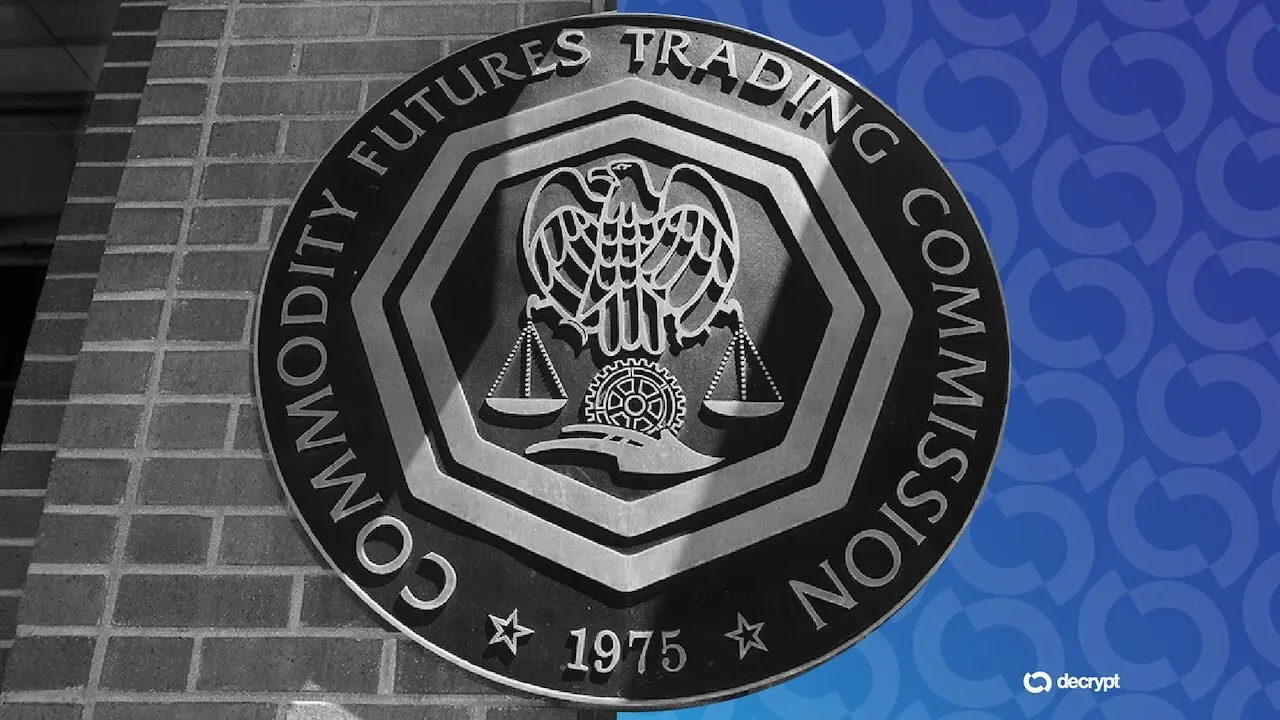
The Commodity Futures Trading Commission has forwarded two new proposed rules to the White House aimed at solidifying its authority over the fast-growing prediction markets sector, a move that could shield operators from a wave of state-level legal challenges alleging illegal gambling.
What the Proposals Would Do
The proposed rules would formally classify event contracts as "swaps," placing them squarely within the CFTC's regulatory framework. At the same time, the proposals would carve out an exclusion for what the agency describes as "casino-style gambling products," drawing a line between legitimate financial instruments and offerings that resemble traditional wagering.
By defining these contracts under existing derivatives law, the CFTC is seeking to reinforce its claim to exclusive federal jurisdiction over the space. That designation matters because federal oversight, if firmly established, could preempt conflicting state regulations and enforcement actions.
The battle over prediction markets is fast becoming a defining jurisdictional fight between federal regulators and the states.
A Response to Mounting State Pressure
The regulatory push comes as prediction-market operators face a growing number of lawsuits from states that argue their products amount to unlicensed gambling. Several state regulators have moved aggressively against platforms offering contracts tied to elections, sporting events, and other real-world outcomes.
By cementing its grip at the federal level, the CFTC appears intent on resolving the ambiguity that has left operators exposed to competing legal interpretations. Clear federal classification would give companies a stronger footing to argue that state gambling laws do not apply to their contracts.
Key elements of the CFTC's approach include:
- Defining event contracts as swaps under federal law
- Excluding casino-style gambling products from that definition
- Asserting exclusive jurisdiction over the prediction-market industry
The proposals now await review at the White House, a step that precedes any formal public rulemaking process. Their ultimate fate—and how narrowly or broadly the gambling exclusion is drawn—will determine how much certainty the industry gains in the months ahead.