
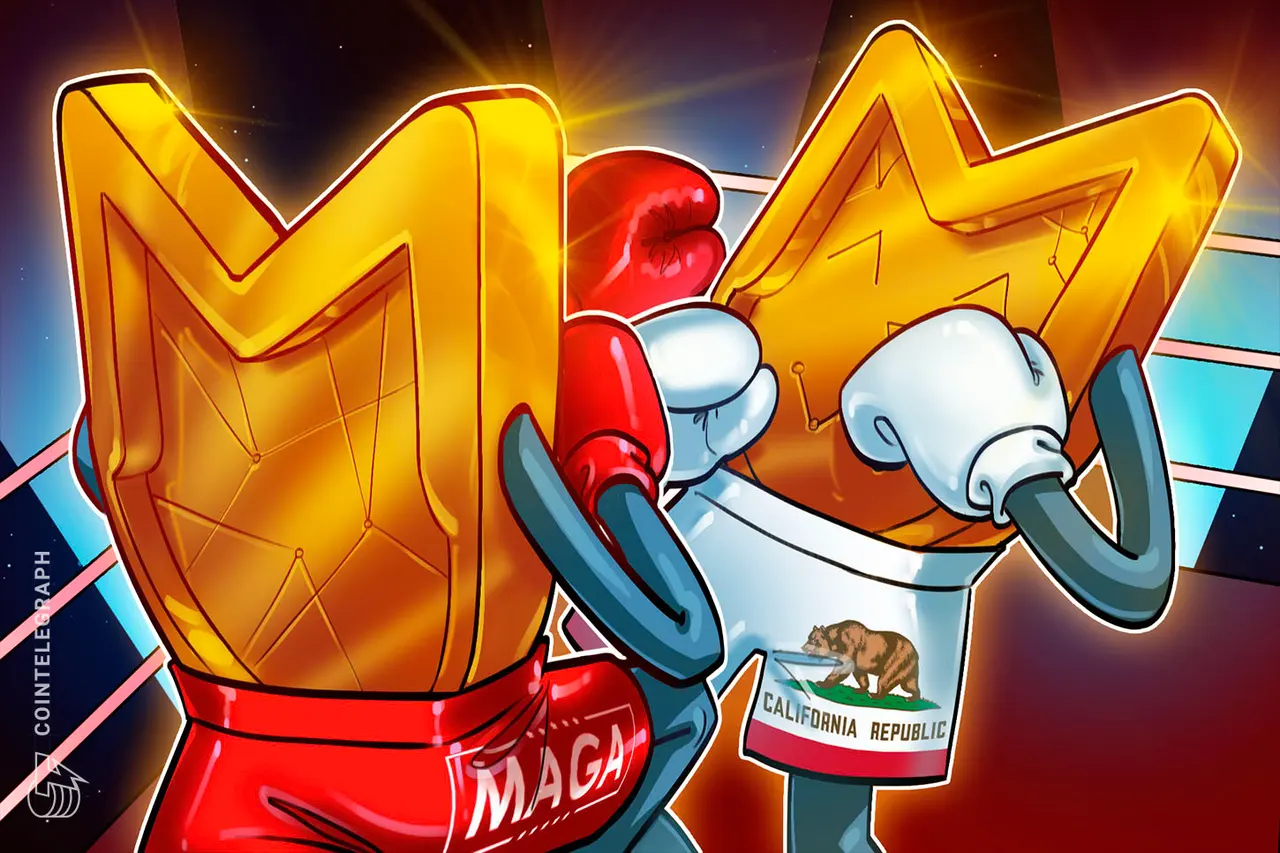
The California Senate has advanced legislation aimed at prohibiting public officials from issuing memecoins, in a move designed to curb potential conflicts of interest and so-called pay-to-play arrangements in the digital asset space.
What the Bill Would Do
The proposed measure targets memecoins issued by federal public officials, seeking to bar cryptocurrency platforms from listing such tokens to California residents. Lawmakers behind the bill argue that when officials in positions of power launch their own digital tokens, it opens the door to serious ethical concerns and the appearance of impropriety.
Supporters of the legislation contend that memecoins tied to public figures can be used as vehicles for undue influence, allowing individuals or entities to funnel money to officials under the guise of speculative investment. The bill frames these scenarios as textbook conflicts of interest that existing rules fail to address.
When those in power can mint their own tokens, the line between public service and private profit begins to blur.
Broader Context and Implications
The push comes amid heightened scrutiny of memecoins, a category of highly volatile tokens that often rely on internet culture and celebrity endorsement rather than underlying utility. High-profile launches connected to political figures have drawn criticism from watchdogs who warn about the risks to retail investors.
If enacted, the legislation would place California at the forefront of state-level efforts to regulate the intersection of political office and cryptocurrency. The state has frequently served as a testing ground for consumer protection and technology-related laws that later influence national policy debates.
Key concerns cited by lawmakers include:
- The potential for pay-to-play arrangements disguised as token sales
- Conflicts of interest among officials profiting from their own coins
- Risks posed to California residents who may buy into these assets
The bill still faces additional legislative hurdles before it could become law, and its ultimate scope may shift as it moves through the process. For now, its passage in the Senate signals growing appetite among state legislators to draw firmer boundaries around how public officials engage with the crypto market.