
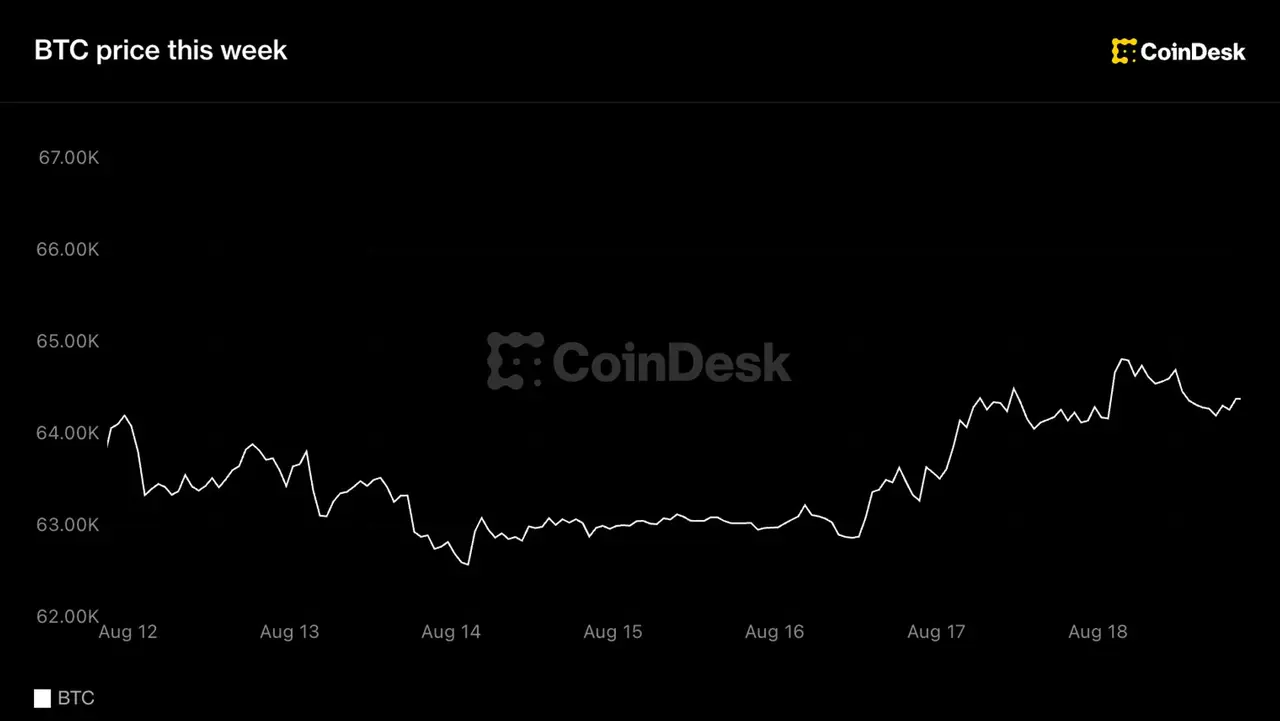
Bitcoin has spent roughly six weeks trapped in a tight trading band, with volatility sinking to some of its lowest readings in years even as global bond markets swing sharply and government borrowing costs climb to levels not seen in decades.
A Market in Limbo
The world's largest cryptocurrency has struggled to break out of its recent range, mirroring a broader sense of caution across financial markets. Price swings have compressed dramatically, pushing bitcoin's realized volatility toward multi-year lows and signaling that traders are reluctant to place aggressive bets in either direction.
That hesitation comes as investors digest a surge in Treasury yields, which has unsettled equity markets and drained appetite for riskier assets. With bond yields at their highest levels in decades, capital that might otherwise flow into speculative plays like crypto is finding a home in comparatively safe government debt.
When bonds pay this much, the pressure on risk assets to prove themselves only grows.
Eyes on the Fed
Much of the market's holding pattern reflects anticipation ahead of the release of the Federal Reserve's July meeting minutes. Traders are combing for any hints about the central bank's future path on interest rates, a factor that has repeatedly moved crypto prices throughout the cycle.
Higher-for-longer rate expectations tend to weigh on bitcoin, which competes with yield-bearing instruments for investor attention. As borrowing costs stay elevated, the opportunity cost of holding a non-yielding asset rises, keeping many participants on the sidelines.
Key dynamics shaping the current standstill include:
- Multi-year lows in bitcoin volatility
- Treasury yields at decades-high levels pressuring equities
- Uncertainty over the Fed's next interest-rate move
For now, bitcoin's fate appears tied to macroeconomic signals rather than crypto-specific catalysts. Until clearer direction emerges from the Fed and bond markets stabilize, the six-week range may prove difficult to escape.