
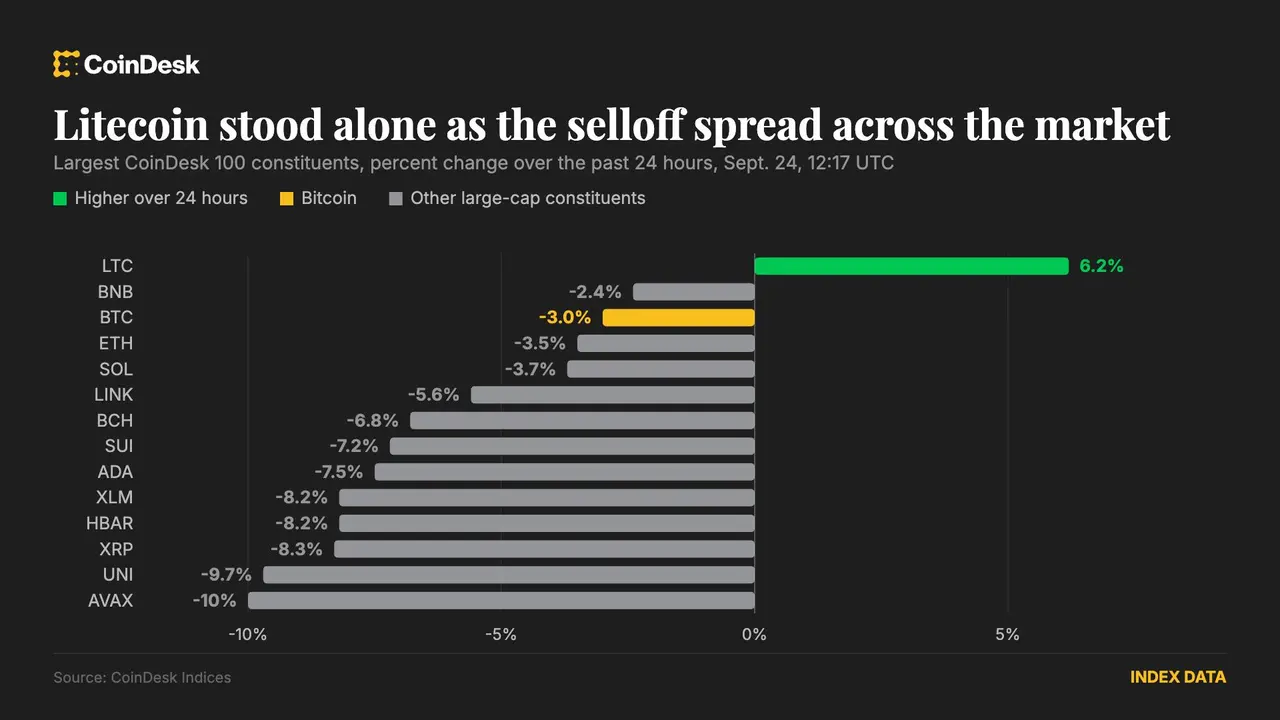
Bitcoin dropped to around $83,300 as surging U.S. Treasury yields rattled financial markets, with the benchmark 10-year yield climbing to its highest level since 2007. The selloff spread across equities and digital assets before overseas traders stepped in to absorb the decline.
Bond Market Pressure Hits Risk Assets
The renewed climb in Treasury yields has once again put pressure on assets perceived as risky, including cryptocurrencies. As the 10-year yield pushed to levels not seen in nearly two decades, investors trimmed exposure to stocks and crypto alike, sending Bitcoin sliding toward the $83,000 mark.
Higher yields generally make government debt more attractive relative to speculative holdings, prompting a rotation out of risk-heavy positions. The move underscores how tightly correlated Bitcoin remains with broader macroeconomic conditions, despite its reputation as an alternative store of value.
When bond yields spike, even the boldest risk assets tend to feel the chill.
Overseas Buyers Step In
The initial decline in U.S. trading hours gave way to renewed buying as Asian and European market participants moved to purchase the dip. That demand helped Bitcoin stabilize near the $84,000 level after its slide, offering a measure of support amid the volatility.
The pattern of overseas buyers cushioning losses that begin in North American sessions has become a recurring theme in recent crypto trading. It highlights the round-the-clock nature of digital asset markets, where sentiment can shift depending on which region is active.
Key takeaways from the session:
- The 10-year Treasury yield reached its highest point since 2007.
- Bitcoin fell to roughly $83,300 before recovering.
- Asian and European traders provided buying support during the dip.
Traders will be watching whether yields continue their ascent, as further increases could keep pressure on Bitcoin and the wider crypto complex in the sessions ahead.