
Bitcoin's BIP-110 Debate Puts Decentralized Governance on Display
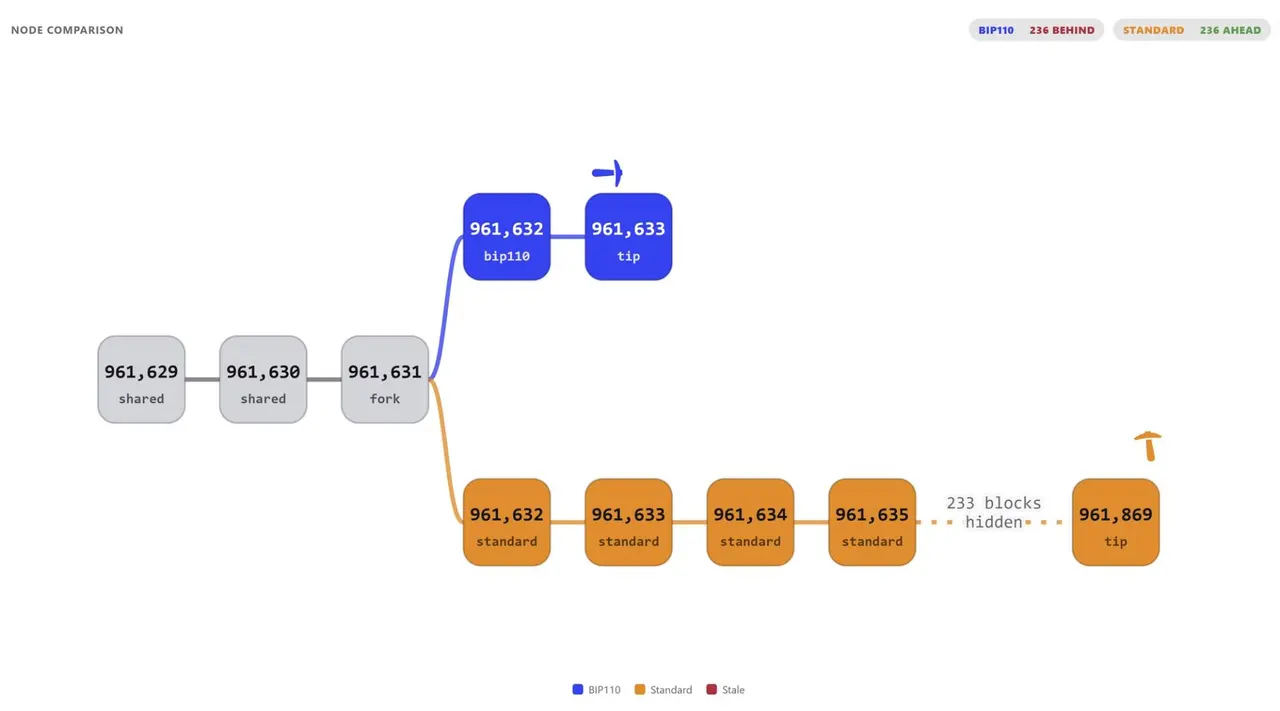
The ongoing discussion around Bitcoin Improvement Proposal 110 (BIP-110) has become a vivid illustration of how the world's largest cryptocurrency governs itself — a process that unfolds without a central authority and relies instead on the voluntary agreement of a distributed community of stakeholders.
The episode highlights a defining feature of Bitcoin: no single company, government, or individual can unilaterally dictate changes to the network's rules. Instead, proposals must win support through open debate, technical scrutiny, and the eventual buy-in of node operators, miners, and developers.
A Marketplace of Ideas
Observers have framed the BIP-110 saga as a demonstration of free-market principles at work. Rather than being imposed from the top down, changes to Bitcoin's protocol compete for adoption in what amounts to an open marketplace of ideas, where the most persuasive and technically sound proposals gain traction.
When no one is in charge, everyone has to be convinced — and that is the whole point.
This dynamic can appear messy or slow-moving to outside observers accustomed to corporate or governmental decision-making. Yet supporters argue that friction is a feature, not a bug, ensuring that changes to a network securing hundreds of billions of dollars in value are not made hastily.
Why It Matters
The debate over BIP-110 underscores several themes that recur throughout Bitcoin's history whenever the community weighs technical upgrades:
- Consensus must emerge organically rather than by decree.
- Competing stakeholders each hold effective veto power.
- Adoption is ultimately voluntary across the network.
For newcomers to crypto, such episodes offer a window into how decentralized systems actually function in practice. The process may lack the tidy hierarchy of traditional institutions, but proponents contend that this very openness is what gives Bitcoin its resilience and credibility as a neutral, permissionless network.
As the conversation continues, the resolution of BIP-110 will likely serve as another data point in the long-running study of how leaderless communities reach agreement — and how markets, left to their own devices, sort through competing visions.