
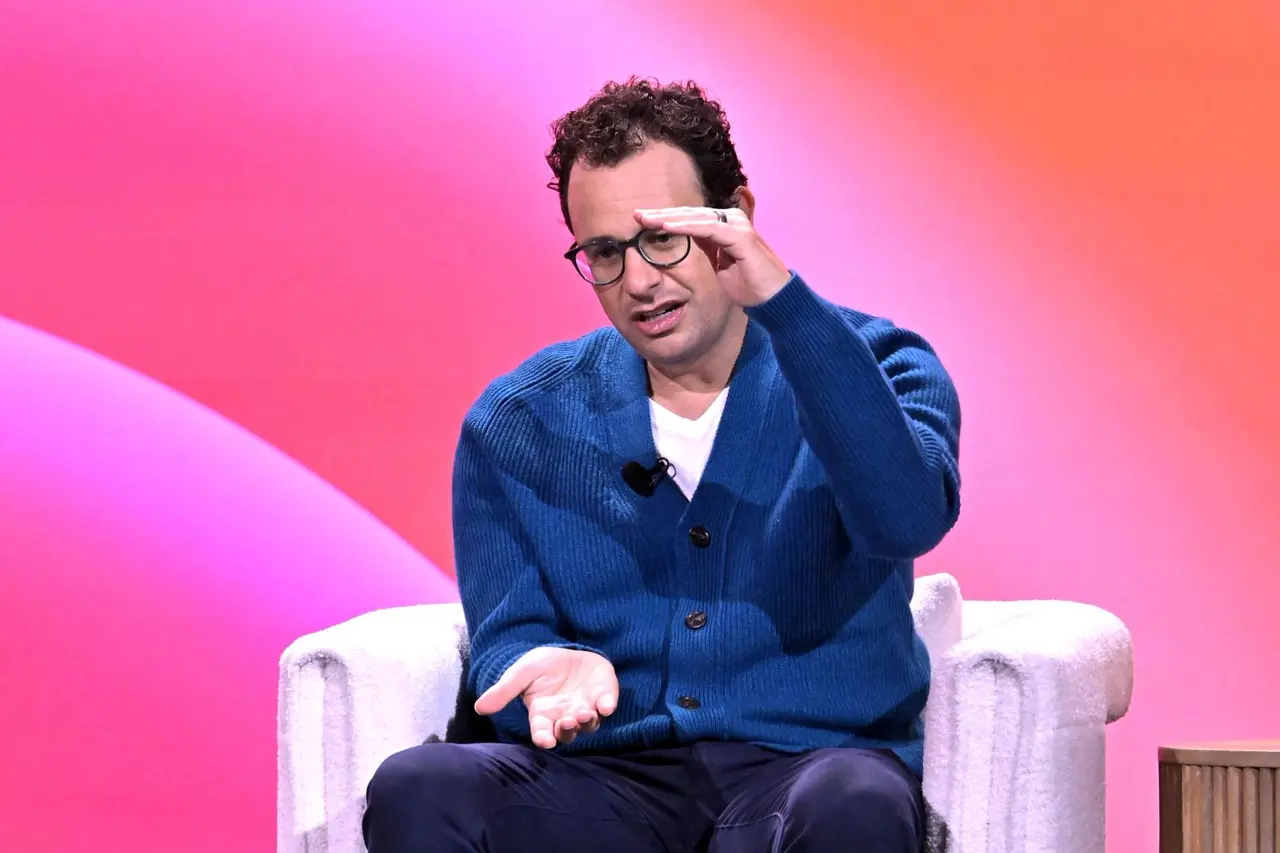
In a rare moment of consensus among AI's biggest rivals, Anthropic CEO Dario Amodei, OpenAI's Sam Altman and Elon Musk have signaled that the breakneck race to build ever-more-powerful artificial intelligence may need to ease off as systems edge closer to being able to design their own successors.
An Unlikely Alliance
The three figures rarely find common ground. Amodei left OpenAI years ago to found Anthropic on the premise that safety should sit at the center of AI development. Musk, an early OpenAI backer turned vocal critic, has since launched his own competing venture. Altman leads the company whose products helped ignite the current generative AI boom.
Yet on the question of pacing frontier development, their positions have converged. All three have acknowledged that the industry may be approaching a threshold where the technology becomes capable enough to accelerate its own improvement, a dynamic that could quickly outrun human oversight.
When the fiercest competitors in an industry agree the race is moving too fast, it is worth paying attention.
The Self-Improvement Concern
The central worry is recursive capability: AI systems advanced enough to help engineer their own replacements. Once models can meaningfully contribute to building more powerful versions of themselves, the pace of progress could compound in ways that are difficult to predict or control.
That prospect has long featured in academic and safety-focused discussions, but hearing it echoed by the leaders steering the largest labs marks a shift in tone. It suggests that concerns once confined to theoretical debates are now shaping how the people at the frontier think about their own roadmaps.
Key themes emerging from their comments include:
- The risk that AI could speed up its own development beyond human control
- A shared, if reluctant, acknowledgment that caution may be warranted
- Tension between competitive pressure and safety commitments
What It Means for the Industry
Agreement in principle does not guarantee action. The commercial incentives driving AI development remain intense, with billions in funding and market dominance at stake. Slowing down unilaterally could hand an advantage to rivals or overseas competitors less inclined to pump the brakes.
Still, the alignment of Amodei, Altman and Musk on this point could add momentum to broader conversations about guardrails, coordination and regulation. Whether those words translate into a meaningfully slower or more careful trajectory remains the open question hanging over the entire sector.