
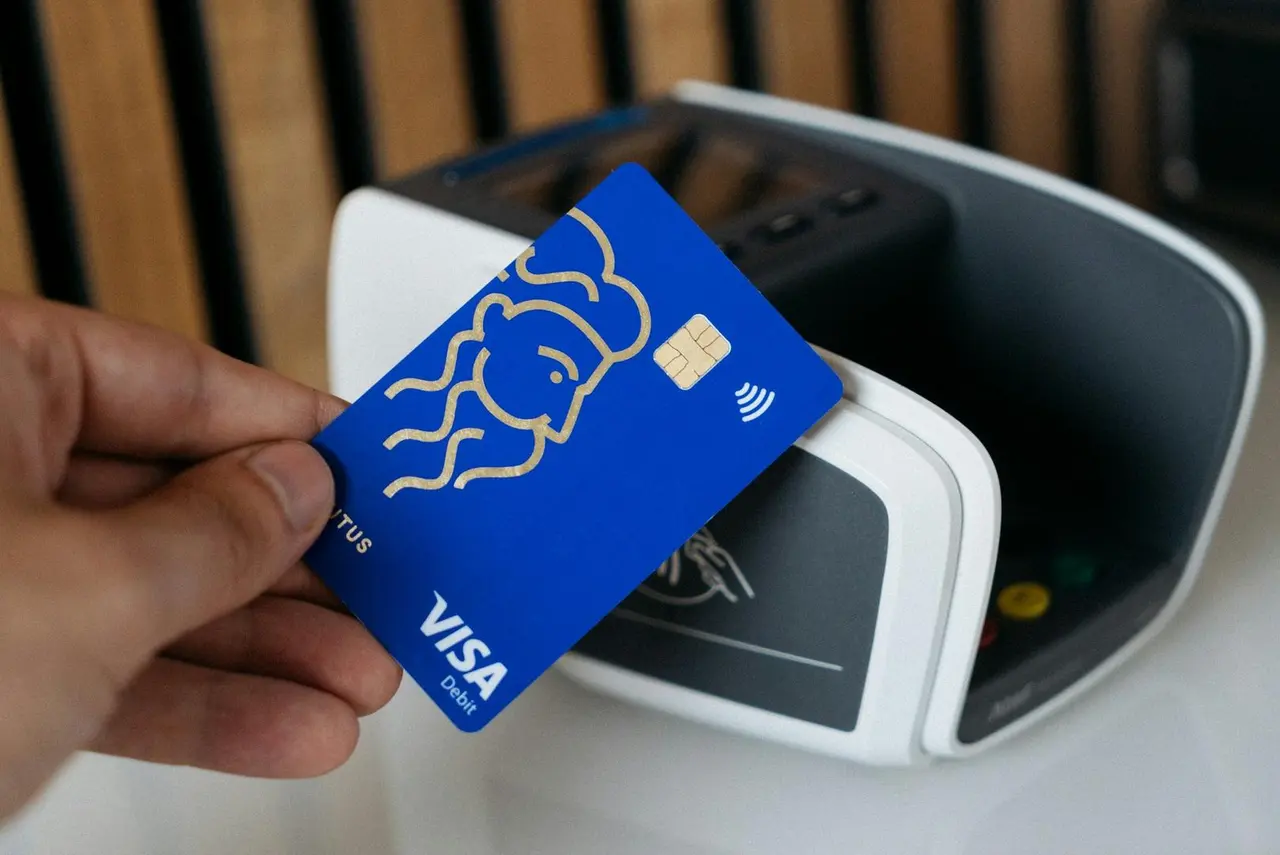
A security breach that drained roughly $1.1 million through fraudulent crypto card transactions sent the native token of a digital-first bank tumbling nearly 49% from its 24-hour peak, marking a fresh record low before the asset managed to recover a portion of its losses.
What Happened
The neobank confirmed that attackers exploited its crypto card infrastructure, siphoning off approximately $1.1 million in a coordinated attack. The incident targeted the payment rails linking the platform's card products to user balances, allowing bad actors to push through unauthorized transactions before the breach was detected and contained.
News of the exploit rippled quickly through the market. The AVICI token, which powers the bank's ecosystem, plunged 49% from its intraday high, sinking to an all-time low as holders rushed to exit positions amid uncertainty over the scope of the damage.
A single $1.1 million exploit was enough to wipe out nearly half the token's value in a matter of hours.
Market Fallout
The steep drop underscores how sensitive smaller-cap crypto tokens remain to security incidents, where confidence can evaporate faster than the actual financial losses would suggest. After bottoming out, AVICI clawed back some ground, though it remained well below the levels seen before the attack surfaced.
Neobanks operating in the crypto space have increasingly leaned on card products to bridge digital assets with everyday spending, but those same features can expand the attack surface for malicious actors. The episode is a reminder that the infrastructure connecting on-chain assets to traditional payment networks carries meaningful risk.
Key takeaways from the incident include:
- Around $1.1 million was lost through fraudulent crypto card transactions
- The AVICI token fell as much as 49% from its 24-hour high
- The token hit a record low before recovering part of the decline
What Comes Next
Attention now turns to how the neobank responds, including whether affected users will be reimbursed and what safeguards will be added to prevent a repeat. For a token whose valuation is closely tied to trust in the platform, the path to recovery may depend as much on transparent communication as on the technical fix itself.